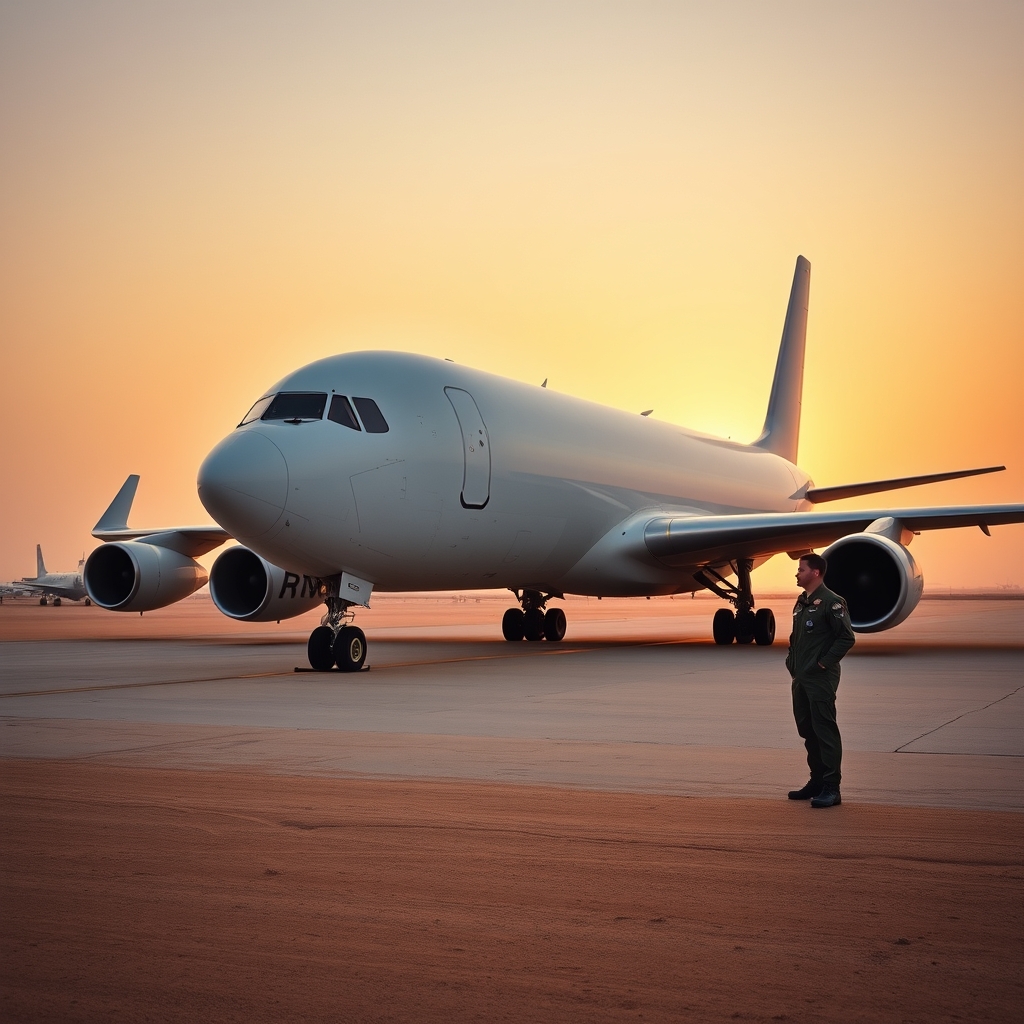
UK’s single refuelling jet for Saudi Arabia: what the limited support really means
According to BBC News, the United Kingdom will deploy a single RAF Voyager aircraft to provide "defensive air-to-air refuelling" for Saudi Arabia as the kingdom faces a surge of Houthi drone and missile attacks.
The move is framed as a short‑term, time‑limited assistance that could last for a few weeks, and it comes amid growing pressure on the UK to protect Red Sea shipping routes while domestic cost‑of‑living concerns mount.
The mechanics of air‑to‑air refuelling
Air‑to‑air refuelling, often called aerial refuelling, lets fighter jets take on fuel from a tanker without landing. The tanker extends a hose (the refuelling probe) that the receiving aircraft inserts, allowing fuel to flow under pressure. This extends the fighter’s range and loiter time, which is crucial when intercepting fast‑moving threats like drones or ballistic missiles.
A Voyager can carry roughly 30,000 kg of fuel and is equipped with a probe that can service multiple aircraft types in quick succession. In practice this means Saudi jets could stay airborne longer, patrol larger swathes of the Red Sea, and respond more flexibly to Houthi launches.
How the UK’s contribution stacks up
| Asset | Quantity in RAF fleet | Currently pledged for Saudi support |
|---|---|---|
| Voyager (military‑registered) | 8 | 1 (single aircraft) |
| Voyager (civilian‑registered) | 1 | – |
| Additional aircraft on standby | 5 (various types) | – |
The UK’s core aerial refuelling capability consists of nine Voyagers, eight of which are military. Offering just one aircraft represents the lighter end of possible support. The RAF still has five other aircraft that could be recalled, but the government has not indicated they will be used.
What changes on the ground?
The immediate effect is a modest boost to Saudi air‑defence endurance. Saudi pilots can now stay aloft longer to intercept Houthi drones and missiles that threaten Riyadh and Red Sea energy sites. However, the assistance does not include combat aircraft, ground‑based air‑defence systems, or intelligence sharing.
The trade‑off that rarely gets highlighted is political risk versus operational impact. By supplying a single tanker, Britain signals solidarity with a key Gulf ally without committing combat forces that could draw it deeper into the Yemen conflict. The limited scope also keeps the financial and personnel cost low, which aligns with the UK’s domestic pressure to curb spending.
Who gains and who loses?
Gains
- Saudi Arabia gains a marginal increase in defensive coverage, helping to keep its commercial shipping lanes open.
- UK defence industry benefits from the continued operational use of the Voyager fleet, reinforcing the value of its aerial refuelling capability.
- International shipping sees a small reduction in the risk of disruption, as more Saudi jets can patrol the Red Sea.
Potential losers
- British taxpayers may view the deployment as symbolic, questioning the value of sending a single aircraft for weeks.
- Human‑rights watchdogs could see the move as tacit support for Saudi military actions that have been criticized for civilian casualties.
- Regional actors opposed to Saudi influence, such as the Houthis and their Iranian backers, may interpret the support as a signal to intensify attacks.
What to watch next
The arrangement is described as "time limited". Watch for:
- Official statements on extension – If the UK extends the deployment beyond a few weeks, it could signal a shift toward deeper involvement.
- NATO coordination – Recent comments from NATO leadership hint at broader European engagement; any joint statements would raise the stakes.
- Houthi activity levels – A spike in missile or drone launches could pressure Saudi Arabia to request more substantial UK assistance.
- Domestic political reaction – Parliamentary debates or public protests could force the government to reassess the cost‑benefit balance.
Practical advice for readers
If you rely on Red Sea shipping for business, monitor carrier schedules and insurance premiums for any sudden changes, as even limited military support can affect perceived risk. For UK citizens concerned about foreign policy, keep an eye on parliamentary reports and the Defence Committee’s hearings on the deployment; they will shape whether the support stays short‑lived or expands.