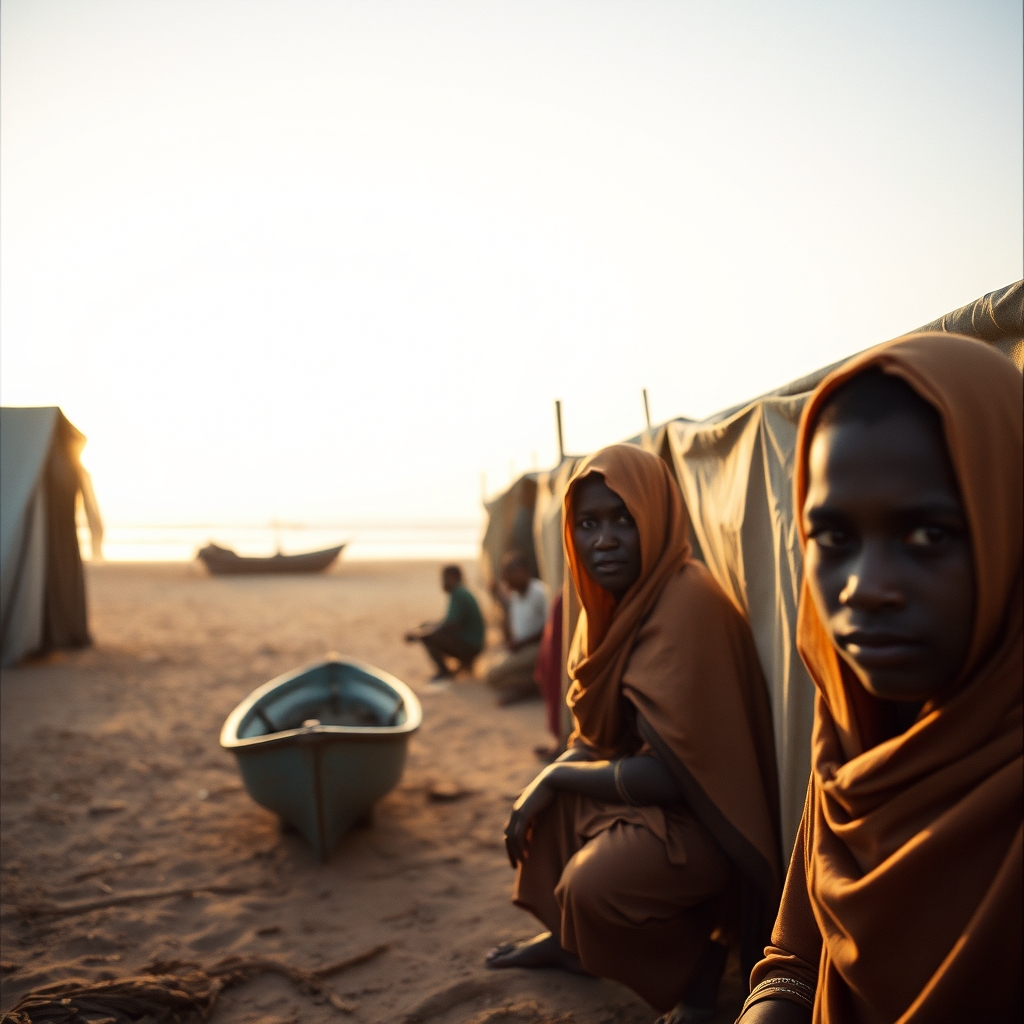
Yemen’s Red Sea surge sends thousands into Djibouti’s refugee camps
According to BBC News, a rapid Houthi advance down Yemen’s Red Sea coast has forced more than 3,000 families to cross the Bab al-Mandab Strait and seek shelter in Djibouti’s Markazi camp, bringing the total number of people displaced by the latest surge to over 120,000.
The flashpoint: Houthis race down the Red Sea coast
The Houthis, who already control most of Yemen’s populated areas, launched a “lightning dash” toward the Bab al-Mandab strait – the narrow waterway that links the Red Sea to the Gulf of Aden and the wider Indian Ocean. Control of this chokepoint matters because a significant share of Saudi Arabia’s oil exports passes through it. In response, Saudi‑backed forces have hammered the coastal plain with hundreds of air strikes, while the Houthis have fired drones and missiles at cities in southwestern Saudi Arabia. The back‑and‑forth of missiles, drones and planes has turned the coastal strip into a high‑risk zone for civilians.
Djibouti’s refugee camp: life on tarpaulins
Markazi camp in Obock, northern Djibouti, is a vast, open‑sided warehouse where families spread tarpaulins on the sand. Ibrahim Issa, a 50‑year‑old fisherman from Dhubab, arrived with his wife, children and several goats on a small boat. "When the sound of the planes starts, the kids scream," he said, describing the terror that drove them out. Another refugee, 100‑year‑old Qassim Abssy, recalled the same trigger: "It was the planes. The bombs everywhere made us flee." The camp is jointly run by the Djibouti government and the UN refugee agency (UNHCR). Tents line the perimeter, but many families still sleep on tarpaulins amid scorching 37 °C heat, with limited access to water, food and schooling.
Numbers on the move
| Metric | Figure | Source |
|---|---|---|
| Refugees arrived in the last few days | > 3,000 people | BBC News |
| Total displaced by the recent surge | > 120,000 people | BBC News |
| Year the UN‑brokered truce broke down | 2022 (truce) → 2024 (breakdown) | BBC News |
| Length of Bab al‑Mandab strait | ~ 30 km wide | BBC News |
These figures show how a short burst of fighting can swell an already fragile refugee system.
Who gains, who loses? The hidden calculus
Saudi Arabia gains a pretext to intensify air strikes that aim to push the Houthis off the coast, protecting its oil‑shipping lanes. The Houthis gain leverage by threatening the same chokepoint, hoping to pressure Saudi Arabia and its allies. Djibouti, officially neutral, ends up hosting the refugees while its strategic ports sit beside a massive U.S. base (Camp Lemonnier) and a large Chinese military installation. The local population sees no direct benefit; the country must stretch limited resources to feed and shelter newcomers. International NGOs receive a surge of funding requests, but the rapid inflow strains logistics and can lead to overcrowding, increasing the risk of disease.
Analysis: The humanitarian trade‑off of a maritime choke‑point
The core trade‑off is security versus human safety. By turning Bab al‑Mandab into a battlefield, the warring sides protect their strategic interests but force civilians onto dangerous sea routes. In practice this usually means fishermen like Ibrahim repurpose their vessels for evacuation, leaving behind livestock and possessions. The immediate benefit is a short‑term escape from bombings; the long‑term cost is displacement, loss of livelihood, and dependence on aid in a foreign country. What we would watch are two developments: (1) whether the Saudi‑Houthi conflict stabilises enough to allow safe return, and (2) how Djibouti’s hosting capacity evolves, especially as the U.S. and Chinese bases expand. If air strikes continue, the refugee flow will likely accelerate, pressuring UNHCR and donor nations to scale up shelter, water and education programs.
What you can do today
If you want to help, consider donating to organizations that support Yemeni refugees in Djibouti, such as UNHCR, the International Rescue Committee or local NGOs that provide food and medical care. Raising awareness on social media with factual updates can keep the crisis in public view, encouraging governments to allocate emergency funding. Finally, contact your elected representatives and ask them to back a transparent review of arms sales to Saudi Arabia, because reducing the flow of weapons could lower the risk of further civilian displacement.