Rainmaker’s Alaskan drone test: modest rain, big questions
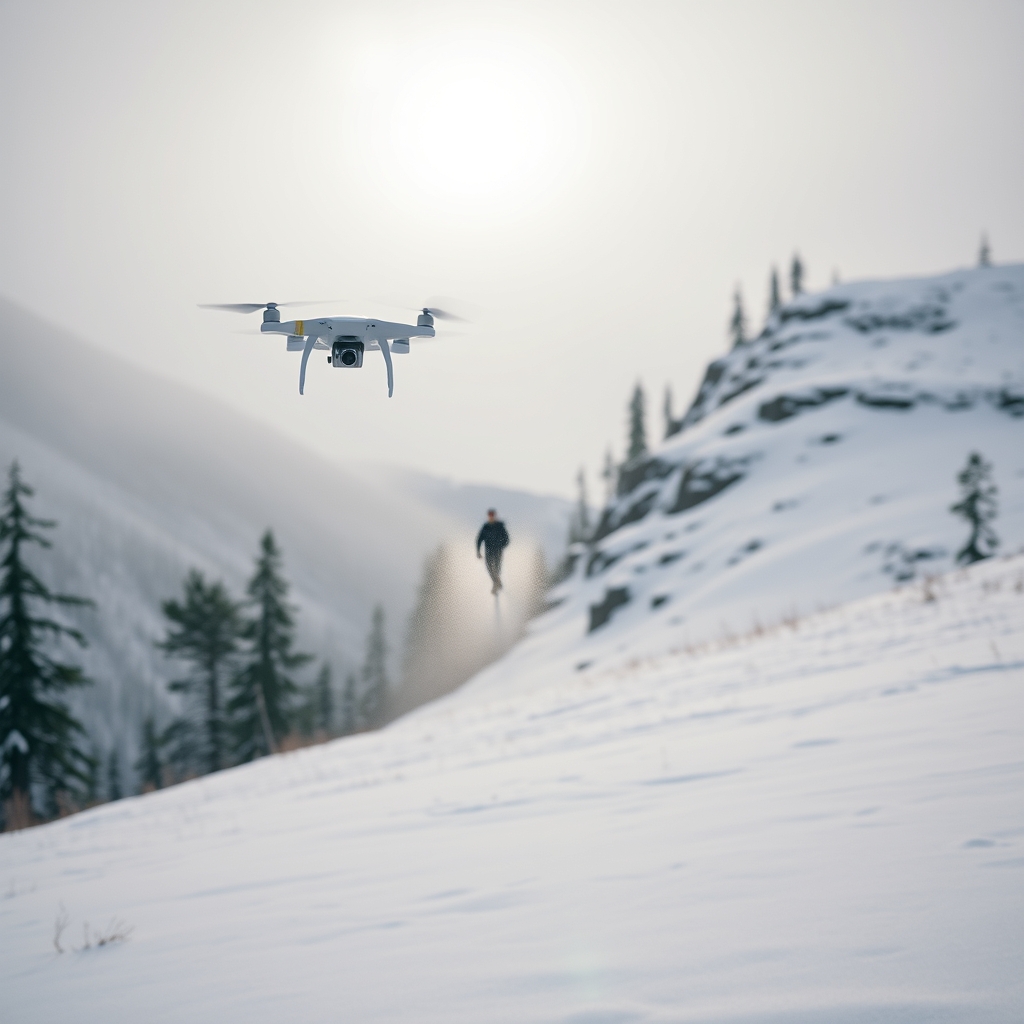
On 23 August a fleet of drones lifted off above Homer, Alaska, spraying a silver‑iodide mixture into low clouds. The San Francisco start‑up Rainmaker says the three‑hour run produced about 19 million US gallons of water in the sky. The claim matters because it revives a decades‑old promise that we can nudge the weather to ease water shortages – a promise that still carries scientific and environmental baggage.
The experiment over Homer, Alaska
Rainmaker’s team flew drones equipped with flares that heat silver iodide particles, turning them into fine crystals that remain suspended in the cloud. The company reports releasing 20 grams of silver iodide per flight, spread across thousands of square kilometres. According to the firm, the resulting increase in silver concentration on the ground is measured in parts per quadrillion, which it says sits well below the U.S. Food and Drug Administration safety threshold.
The test was not publicly announced beforehand, prompting criticism from local environmental groups. Cooper Freeman, director of the Center for Biological Diversity in Alaska, warned that no downstream monitoring was planned to verify any ecological impact.
How cloud‑seeding actually works
Cloud‑seeding does not create rain out of thin air. In a natural cloud, water vapor condenses onto microscopic particles – dust, sea salt, even pollen – forming tiny droplets or ice crystals. When enough of these particles grow, gravity pulls them down as precipitation. Silver iodide mimics ice‑nucleating particles because its crystal lattice closely resembles that of natural ice. By sprinkling it into a super‑cooled cloud, operators hope to accelerate the formation of ice crystals, which then collide, grow, and eventually fall as rain or snow, depending on temperature.
The technique relies on very specific conditions: cold clouds that are already primed to produce ice, and enough up‑drafts to keep the seeded particles aloft long enough to grow. If the cloud is too warm or lacks sufficient moisture, the added silver iodide makes little difference.
What the numbers really mean
Rainmaker’s 19 million gallons translates to roughly 0.01 inch of rain over an area of 100 square miles. By comparison, a typical summer thunderstorm in the Pacific Northwest can dump 0.5 inch in a single hour over the same area. Studies from the Utah Climate Center indicate that, under optimal conditions, cloud‑seeding can boost precipitation by 5‑10 percent – a modest uplift that rarely resolves a regional water deficit.
In other words, the Alaska test added a drizzle that would be barely noticeable on the ground. The claim of “19 million gallons” sounds impressive until you scale it to the land area it covers.
The trade‑off nobody spells out
The obvious benefit is a slight increase in water falling from a cloud that might otherwise have stayed dry. The hidden cost is uncertainty. First, the environmental trade‑off: silver iodide is a heavy metal, and while the released amount is minuscule, we lack long‑term studies on accumulation in soils and waterways, especially in sensitive ecosystems like Alaska’s.
Second, the economic trade‑off: operating a fleet of drones, maintaining flares, and coordinating with meteorological services costs tens of thousands of dollars per flight. When the payoff is a fraction of a millimetre of rain, the cost‑per‑gallon metric quickly becomes unfavorable compared with traditional water‑conservation measures.
Finally, the political trade‑off: conducting unannounced experiments erodes public trust. Residents who are not warned may view the sky‑borne chemicals as an intrusion, fueling opposition that can stall future projects, even if they are scientifically sound.
Emerging alternatives and what to watch
The industry is already looking beyond silver iodide. Recast Systems, a San Francisco start‑up, is testing a protein‑based nucleator derived from soil amino acids. Early lab work suggests the protein can trigger ice formation more efficiently and is fully biodegradable, eliminating the heavy‑metal concern.
Below is a snapshot of how the two agents compare today:
| Property | Silver Iodide (Rainmaker) | Protein Nucleator (Recast) |
|---|---|---|
| Typical dosage per flight | 20 g | 10‑15 g (projected) |
| Measured ground concentration | Parts per quadrillion | Negligible (biodegradable) |
| Reported precipitation boost | 5‑10 % under ideal conditions | Early data suggest 8‑12 % (lab) |
| Regulatory status | Approved for weather modification in many US states | Still under experimental review |
| Environmental footprint | Heavy‑metal residue | Organic, breaks down naturally |
Keep an eye on the 2017 radar‑based validation study that confirmed silver iodide’s mechanism; similar field‑scale studies will be needed for any protein agent before regulators approve widespread use.
What you can do now
If you live in a region where cloud‑seeding is being considered, start by checking local government notices – many states require public disclosure of seeding flights. Support community water‑conservation programmes; they often deliver more water per dollar than a handful of seeded clouds. And stay informed about emerging alternatives; a shift to biodegradable nucleators could change the risk‑benefit balance dramatically.