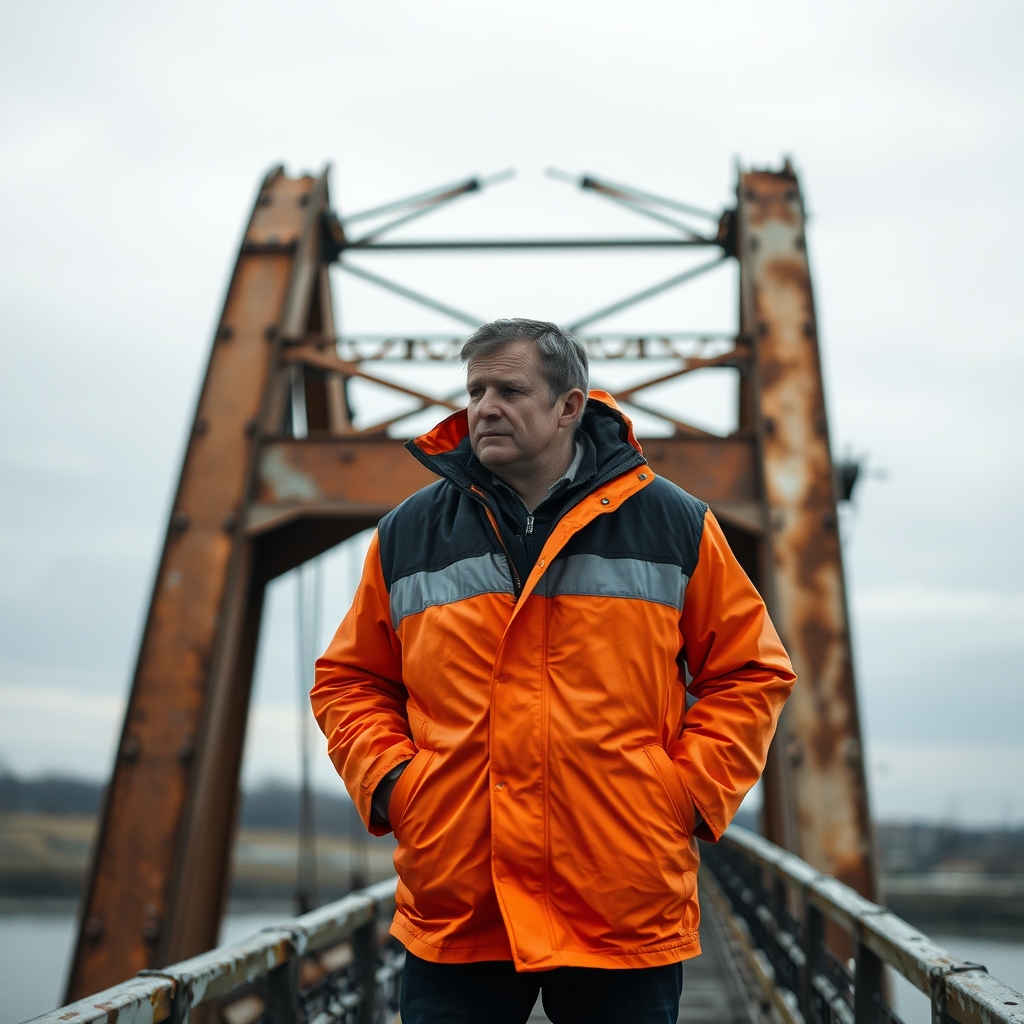
Kyiv’s bridge strikes expose a fragile lifeline as Germany steps in
According to BBC News, Russian drones hit two of Kyiv’s main bridges for the second day in a row on Sunday, injuring two people and widening a hole in the Pivnichnyi (Northern) Bridge. The attack comes as German Chancellor Friedrich Merz arrived in the capital, signalling Berlin’s continued backing for Ukraine.
A string of bridge attacks
The Pivnichnyi and Pivdennyi (Southern) bridges have been targeted for four consecutive days. Video verified by the BBC shows a drone crashing into the Pivnichnyi bridge, exploding, and leaving a gaping hole in the traffic lane. Kyiv Mayor Vitali Klitschko confirmed two injuries and noted that a heating main was also damaged in a separate strike. The Ukrainian Air Force reported shooting down 125 of 135 drones launched overnight, including 52 jet‑powered models.
German chancellor’s surprise visit
Friedrich Merz arrived in Kyiv without prior notice, met President Volodymyr Zelensky and laid wreaths at a soldiers’ memorial. In a post on X, Merz said Germany’s security depends on the war’s outcome and pledged “all our support”. Since becoming chancellor in May 2025, Germany has become Ukraine’s single largest donor. The visit underscored Berlin’s political commitment at a moment when Moscow announced it would intensify strikes across Ukraine.
How the strikes cripple city movement
Kyiv straddles the wide Dnipro River, with eight bridges linking the right‑bank (west) and left‑bank (east). About 500,000 vehicles cross the bridges daily, and many of the city’s three million residents rely on metro lines that run alongside the river. When a bridge lane is closed, traffic backs up for kilometres, and public transport routes are rerouted or halted. Residents describe the commute as “just hell”.
| Bridge | Daily vehicle traffic | Damage reported | Current mitigation |
|---|---|---|---|
| Pivnichnyi (Northern) | ~250,000 | Hole in lane, two injuries | Partial lane closure, repair crews, planned pontoon bridge |
| Pivdennyi (Southern) | ~250,000 | Cable hits, multiple strikes | Partial closure, ferry services, tunnel study |
Both bridges remain standing, but repeated hits force lane closures, push traffic onto the remaining bridges and onto ferries, and strain repair crews. Kyiv officials say they are preparing temporary pontoon bridges, expanding ferry services, and even studying a tunnel under the river to keep the two halves of the city linked.
The hidden trade‑off: durability versus disruption
The obvious headline is the physical damage to the bridges, but the deeper issue is cumulative wear. Engineers warn that while a single drone is unlikely to bring a bridge down, repeated impacts can weaken joints, corrode reinforcement, and accelerate fatigue. In practice this means the city may have to close a bridge for weeks to conduct structural inspections and repairs, not just to patch a hole.
The trade‑off is between keeping a bridge open for traffic and risking long‑term integrity. Keeping a damaged bridge in service can cause micro‑cracks that grow under the weight of daily traffic, potentially leading to a catastrophic failure later. Conversely, closing the bridge forces commuters onto fewer routes, causing gridlock, higher emissions, and longer travel times, which can affect emergency response and economic activity.
Who gains and who loses? The immediate gain is for Russian forces, who achieve a disproportionate impact with relatively cheap drones. Ukrainian commuters lose time and reliability. Construction firms and logistics companies may see short‑term work from repair projects, but the broader economy suffers from slower goods movement. Germany’s visible support may bolster Ukrainian morale and reassure Western allies, but it does little to change the on‑ground logistical bottleneck.
What to watch next
Two developments will shape the coming weeks. First, Ukraine has repeatedly asked for advanced air‑defence interceptors capable of shooting down jet‑powered drones. If the West delivers more of these systems, the frequency of successful strikes should fall, easing pressure on the bridges. Second, the progress on temporary crossings—pontoon bridges and ferries—will indicate how quickly Kyiv can restore capacity. Satellite imagery and traffic‑camera feeds will reveal whether new structures are being deployed or if the city is still scrambling.
The Russian defence ministry has promised to intensify strikes in response to Zelensky’s comments about targeting Russian oil refineries. If the escalation continues, more infrastructure beyond bridges—such as power lines and heating mains—could come under attack, compounding the city’s challenges.
Practical steps for residents and businesses today
- Plan alternative routes: Check real‑time traffic apps for the latest bridge closures and use ferry schedules where available.
- Shift commuting times: If possible, travel earlier or later to avoid peak congestion caused by lane reductions.
- Secure critical supplies: With a heating main already damaged, households in the north‑eastern Desnyanskyi district should have backup heating options.
- Monitor official updates: Kyiv’s city council and the Ministry of Infrastructure post daily status reports on bridge repairs and temporary crossings.
- Stay informed about security alerts: The EU delegation remains in Kyiv despite Russian warnings; any changes in foreign‑mission presence could affect local services.
By adjusting travel habits and staying alert to official communications, residents can reduce personal disruption while the city works on longer‑term fixes.