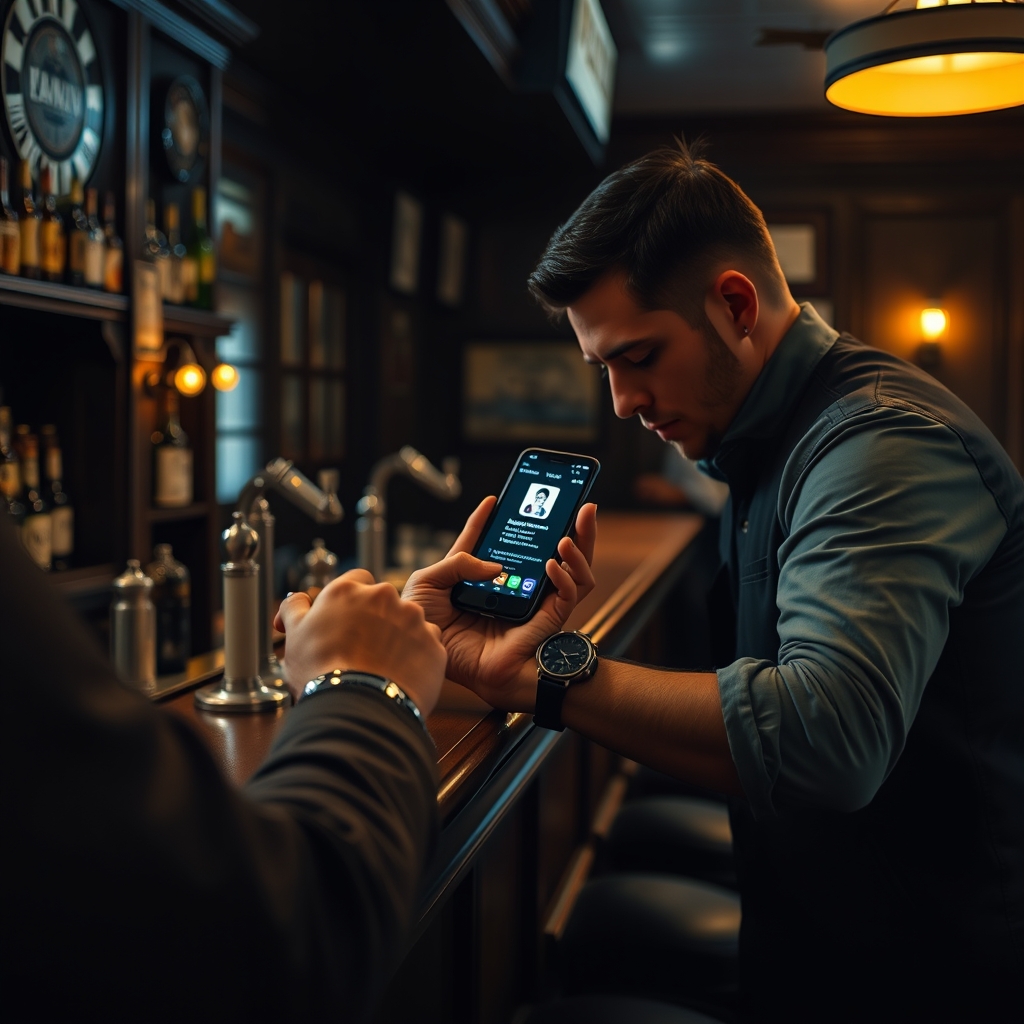
UK pubs can now accept digital ID apps for age checks
From Tuesday, pubs and off‑licences in England and Wales can accept a digital ID app as proof of age. The change adds a phone‑based option alongside passports or driver’s licences, and the government says it should speed up checks and protect personal data.
According to BBC News, the government has approved a list of apps such as those from the Post Office, Yoti and Luciditi, and has made the scheme optional for businesses.
How the digital age‑check works
A customer opens an approved app, logs in by matching a live face scan to the photo stored when the account was created, and the app generates a QR code that expires after a short period. The venue scans the code with a free "checker" app; the checker reads the encoded data and returns the person's age without revealing any other personal details. The process works offline, so no mobile data or Wi‑Fi is needed at the point of sale.
What the rules require from venues
- Accept a digital ID only if the venue chooses to do so – physical ID must still be accepted.
- Keep a free checker app ready on a device that can read QR codes.
- Ensure the chosen supplier is on the government‑approved list and that the system works without an internet connection.
- Offer multiple app options to avoid locking customers into a single provider.
Who benefits and who might be left out
| Feature | Digital ID | Physical ID |
|---|---|---|
| Speed of check | Tap or scan in seconds | Manual inspection, slower |
| Data shared with venue | Age only, time‑limited QR | Full ID details (photo, number) |
| Required hardware | QR‑code scanner or camera | None, just visual check |
| Accessibility | Needs a smartphone, internet‑enabled device, and basic digital literacy | Works for anyone with a passport, driver’s licence or other paper ID |
| Cost to business | Free checker app; possible subscription for the ID provider | No extra cost |
The fast check and reduced data exposure are clear wins for tech‑savvy customers and staff who want to move on quickly. However, anyone who does not own a smartphone, who cannot afford data, or who is uncomfortable with facial‑recognition technology is forced to rely on the older method.
The hidden trade‑off: risk of digital exclusion
Campaigners warn that making digital ID an accepted option – without explicit safeguards – could become a de‑facto requirement. If a venue decides that scanning a phone is "easier" and gradually stops asking for paper ID, people who lack a compatible device or the skills to use it could be turned away. The legislation does not forbid businesses from preferring the digital route, so the practical effect may be a subtle shift toward mandatory digital proof. Monitoring how many venues actually keep a physical‑ID fallback will be crucial; otherwise the policy could marginalise millions, as privacy‑rights groups have highlighted.
What to watch next
- Extension of the scheme to tobacco and vaping purchases, which would increase the stakes for retailers.
- Any future guidance that explicitly bans or permits mandatory digital checks.
- Uptake statistics from the government’s approved‑list providers – low uptake could signal resistance from the hospitality sector.
- Legal challenges from digital‑rights organisations if exclusion becomes widespread.
Advice for venue owners today: Keep your existing physical‑ID procedures in place, train staff on the free checker app, and sign up with at least two approved providers to give customers choice. Monitor customer feedback for any complaints about being asked for a digital ID only, and be ready to revert to paper checks if the digital route proves burdensome.