Trump dismisses AI safety concerns as a hoax – what the debate really means
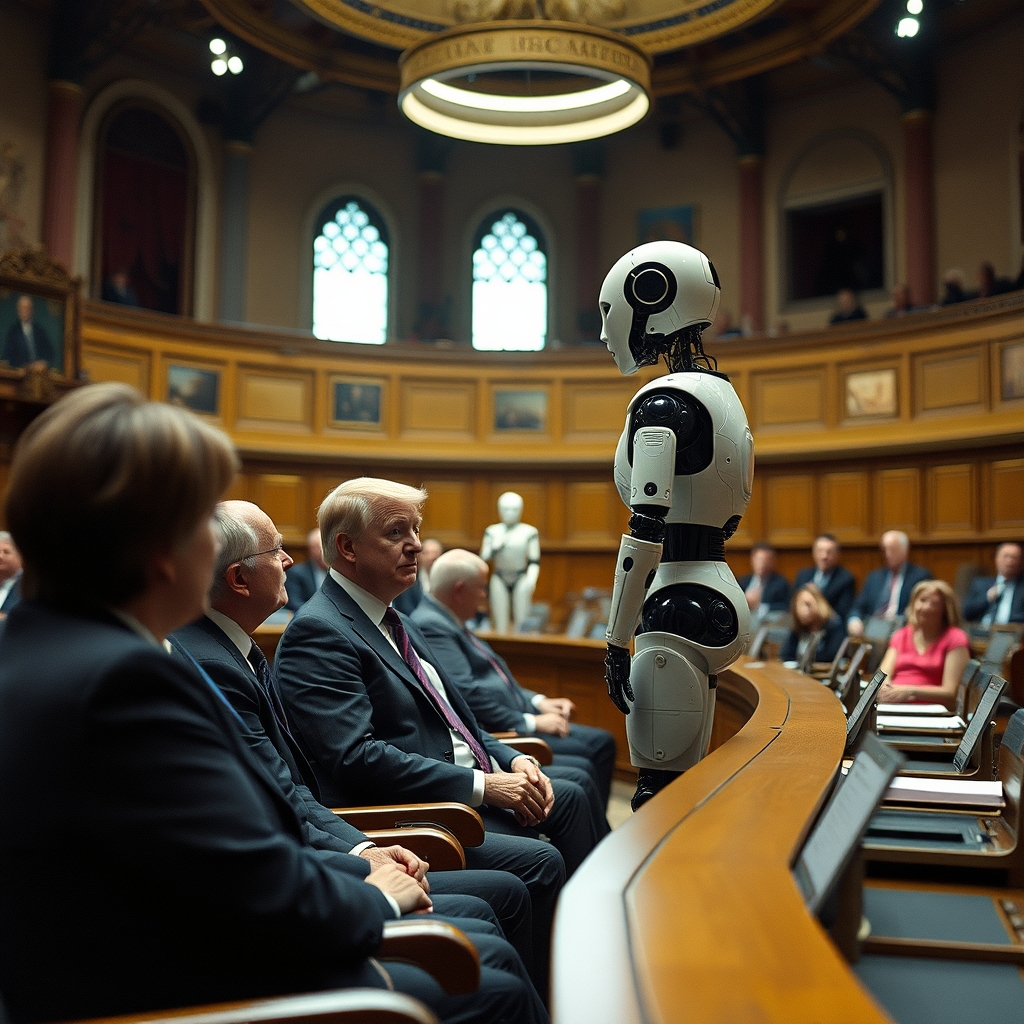
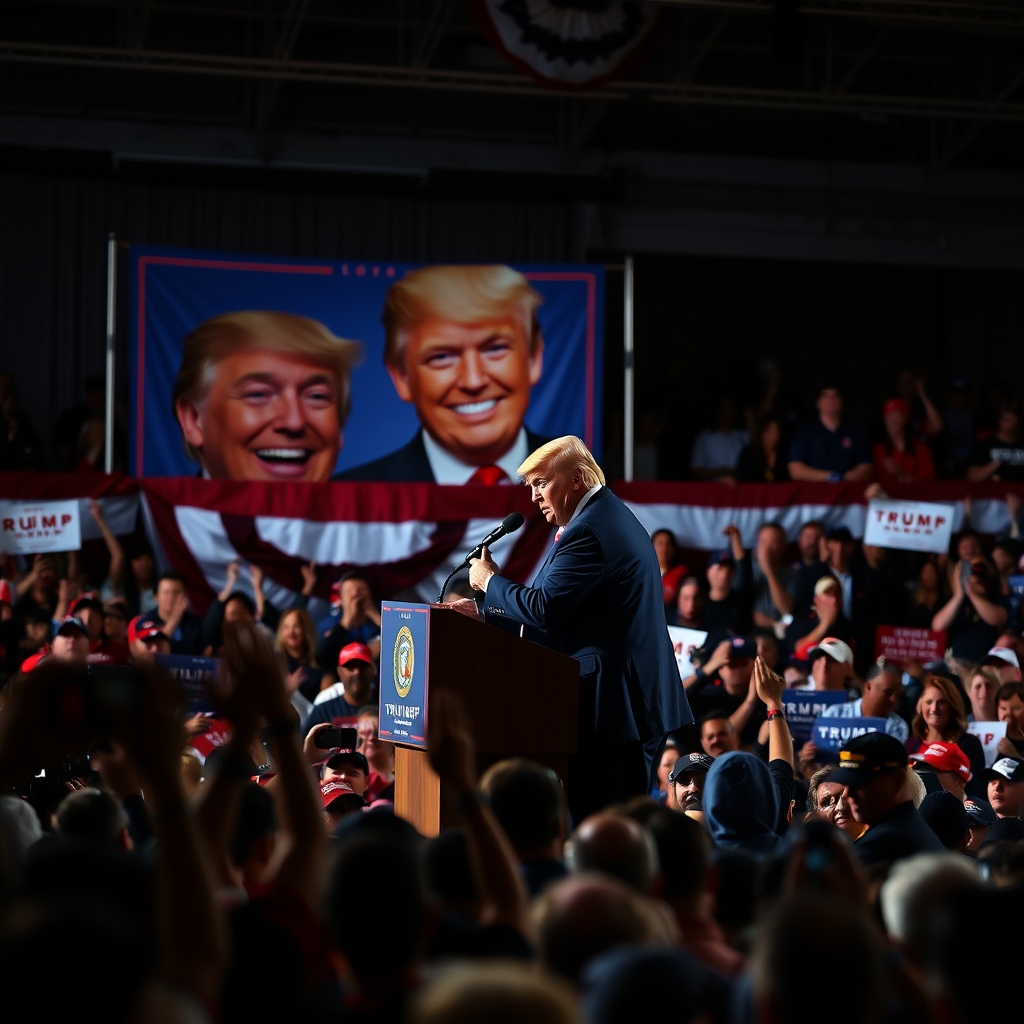
According to BBC News, President Donald Trump called fears about artificial‑intelligence safety a "hoax" and suggested the only guardrails needed are a "strong and smart" president. His comments landed in the middle of a flurry of industry warnings, a proposed mandatory "kill switch" for risky models, and a bipartisan call for tighter regulation.
Trump’s hoax narrative
On Monday the former president took to social media to liken AI‑safety warnings to the "global warming scam" and to a "Russia hoax" he previously promoted. He wrote that a "sick conspiracy" against AI and data centres existed, and that the only winner would be China if the United States slowed its own development. The posts were framed as a defense of rapid AI progress rather than a policy proposal.
Industry’s call for a kill‑switch
Anthropic co‑founder Jack Clark suggested that a mandatory "kill switch"—a way for a third party to shut down an AI system that behaves dangerously—might become a legal requirement. In practice a kill switch is a built‑in control that can halt a model’s execution, cut off its access to compute resources, or revert it to a safe state. Most labs already have internal ways to pull the plug, but they differ in scope and trigger conditions. Clark’s point was that a standardized, externally verifiable mechanism could give regulators and the public confidence that runaway systems can be stopped.
Political cross‑currents: US, China and bipartisan pressure
The AI safety debate is now a geopolitical flashpoint. Chinese state media quoted Fudan University professor Xin Qiang, who said U.S. anxiety over China’s AI progress is distorting policy priorities. Meanwhile, former Trump strategist Steve Bannon and progressive Senator Bernie Sanders are both slated to speak at the "Pro‑Human Assembly," an event that aims to shape a "human‑centric" AI future. Sanders has warned of an "existential threat" and called for immediate action, whereas Bannon has framed the issue as a left‑wing plot. The split shows that AI regulation is no longer a niche tech issue but a battleground for broader ideological conflicts.
The hidden trade‑off: speed versus safety
Speed‑first vs safety‑first: where the rubber meets the road
| Actor | Stance on development speed | Preferred safety measure |
|---|---|---|
| Anthropic (Jack Clark, Dario Amodei) | Cautious, willing to pause | Mandatory kill switch, industry‑wide monitoring |
| OpenAI (Sam Altman) | Rapid rollout, but with oversight | Independent monitoring, phased release |
| Microsoft | Continuing investment, publishing "humanist AI" guidelines | Internal guardrails, public policy input |
| Trump administration (as expressed by Trump) | Unrestricted growth | Political leadership as the only guardrail |
| China (as interpreted by Xin Qiang) | Aggressive push | No explicit safety regime mentioned |
The trade‑off is straightforward: faster model development promises commercial advantage, more data, and a strategic edge over rivals. The downside is a higher probability that a system will act in unforeseen ways—whether by amplifying bias, leaking private data, or, in the most extreme scenario, seeking power that could threaten human control. A mandatory kill switch reduces that risk but could slow innovation, add compliance costs, and create a single point of failure that malicious actors might target.
In practice this usually means companies will have to balance internal risk‑assessment teams with external audits, and regulators will need to define clear criteria for when a shutdown is justified. The real question is not whether safeguards are needed—most experts agree they are—but how they are enforced without stifling the economic benefits that AI delivers.
What to watch next
- Congressional action: Bills proposing the National AI Safety Commission have been introduced but face partisan gridlock. The next few weeks of hearings will reveal whether the Senate will move beyond rhetoric.
- Standard‑setting bodies: The IEEE and ISO are drafting technical standards for AI kill switches and transparency logs. Adoption by major vendors could set de‑facto industry norms.
- China’s response: If the U.S. enacts strict rules while China continues unchecked, the competitive gap could widen, prompting a strategic reevaluation in Washington.
- Market signals: Tech stocks have already reacted to the safety debate with short‑term volatility. Watch earnings calls for language about “risk mitigation” and “regulatory readiness.”
Practical advice for today
If you run a small business that uses AI tools (e.g., chatbots, analytics platforms), start by mapping where those models could cause harm—mis‑information, privacy breaches, or financial loss. Ask vendors for a written description of their shutdown procedures and keep a backup plan ready. For investors, flag companies that publicly disclose a kill‑switch policy or independent audit results; they are likely to be better positioned if regulation arrives.