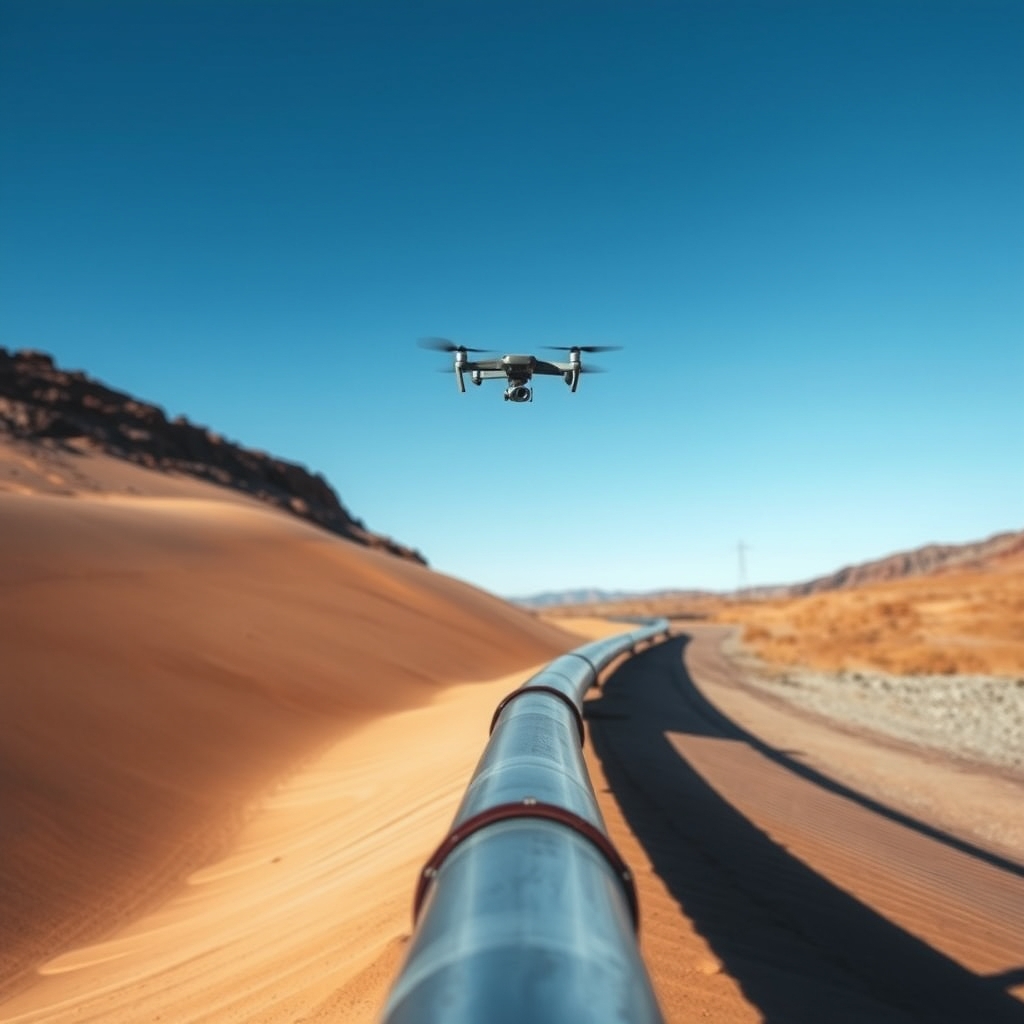
Saudi pipeline shut after Iraqi‑launched drone attack: what the closure means
Lead Saudi Arabia sealed its 1,200km (745‑mile) East‑West oil pipeline after a drone strike that originated in Iraq’s Maysan province. The move cuts a route that carries about 4%‑5% of the world’s crude, adding fresh pressure to already tense Middle‑East shipping lanes.
The incident and immediate response
According to BBC News, Saudi officials announced the pipeline shutdown on Friday after satellite images showed scorched ground and smoke near the strike site. The Saudi foreign ministry said the attack caused injuries and damage that are still being assessed. Iraq responded by removing the operations commander in Maysan and opening an investigation. Riyadh said it would not retaliate for now but reserved the right to protect its sovereignty.
Why the East‑West pipeline matters
The pipeline runs from the oil‑rich fields of the Eastern Province to the Red Sea port of Yanbu. By moving crude across the Arabian Peninsula, it lets Saudi Arabia bypass the Strait of Hormuz—a narrow chokepoint where 20%‑25% of global oil normally passes. Shipping through Hormuz adds transit time, insurance costs, and exposure to geopolitical risk; the pipeline offers a land‑based alternative that is faster and cheaper.
| Feature | East‑West pipeline | Shipping via Strait of Hormuz |
|---|---|---|
| Capacity (approx.) | 4%‑5% of global oil supply | 20%‑25% of global oil supply |
| Typical transit time for 1 million barrels | < 1 day (land) | 3‑4 days (sea) |
| Main risk factors | Drone or sabotage attacks, mechanical failure | Naval blockades, piracy, missile attacks, geopolitical tension |
| Cost per barrel (fuel‑plus‑insurance) | Lower (land transport) | Higher (fuel, charter, war‑risk premiums) |
In practice this means that when the pipeline is offline, Saudi exporters must reroute a sizable share of their crude onto tankers that must thread through Hormuz, exposing them to higher freight rates and insurance premiums.
The wider regional squeeze on oil routes
The pipeline strike arrives as Iran‑backed Houthi rebels in Yemen have seized large parts of the coastline, including claims of control over the Bab al‑Mandab Strait—the gateway to the Red Sea and the Suez Canal. At the same time, the conflict between the United States and Iran has entered its seventh month, keeping the Strait of Hormuz on high alert. Together, these developments have already pushed crude prices above $100 a barrel for the first time since July.
Both straits are crucial arteries for global trade. Any disruption forces oil cargoes onto longer, more expensive routes or into the uncertainty of “spot” charter markets where rates can swing wildly. The Gulf Cooperation Council (GCC) condemned the pipeline attack as a “dangerous escalation,” underscoring how quickly a localized incident can ripple through the entire market.
What the shutdown actually changes – analysis
The immediate effect is a reduction in Saudi Arabia’s logistical flexibility. Before the strike, the kingdom could choose between land and sea routes depending on price, weather, and security. With the pipeline closed, all affected crude must travel by sea, raising the average cost per barrel. The extra freight and insurance premiums are likely to be passed on to refiners, nudging gasoline and diesel prices higher for consumers worldwide.
The trade‑off here is between security and cost. The pipeline itself proved vulnerable to a relatively low‑tech drone attack, suggesting that land routes are not immune to sabotage. However, maritime transport is exposed to a broader set of threats—missile attacks, naval blockades, and piracy. By shutting the pipeline, Saudi Arabia is betting that the short‑term cost increase is preferable to the risk of a larger sabotage that could halt the line entirely.
Who gains? Companies that own or operate tankers and insurers stand to earn higher fees. Nations that export oil through the Red Sea (e.g., Sudan, Ethiopia) may see less competition for slot space, potentially improving their own shipping terms. Who loses? Saudi exporters face tighter margins, and downstream industries that rely on stable crude prices may see profit pressure. The broader market also feels the pinch as investors price in heightened geopolitical risk.
What to watch next
- Pipeline status – Saudi officials have not given a timetable for reopening. Updates on repair progress will signal how long the land route remains unavailable.
- Iraq’s investigation – Whether the Iraqi government can identify and neutralize the drone launch site will affect the likelihood of repeat attacks.
- Houthi activity – If the rebels consolidate control over Bab al‑Mandab, shipping insurance premiums for the Red Sea could spike, compounding the cost of the pipeline shutdown.
- Oil price movements – Keep an eye on Brent and WTI futures; a sustained breach of the $100 barrier would indicate the market is pricing in longer‑term supply constraints.
- Diplomatic talks – Any de‑escalation between Saudi Arabia and Iran, or a broader GCC security arrangement, could reduce the perceived risk of both straits.
Practical steps for businesses and investors
- Re‑evaluate fuel budgeting for the next quarter and factor in a 2‑4% increase in freight and insurance costs.
- For logistics firms, consider securing additional tanker capacity now to avoid last‑minute premium rates.
- Energy‑focused investors should monitor Saudi pipeline repair announcements and Houthi statements for early signals of market shifts.