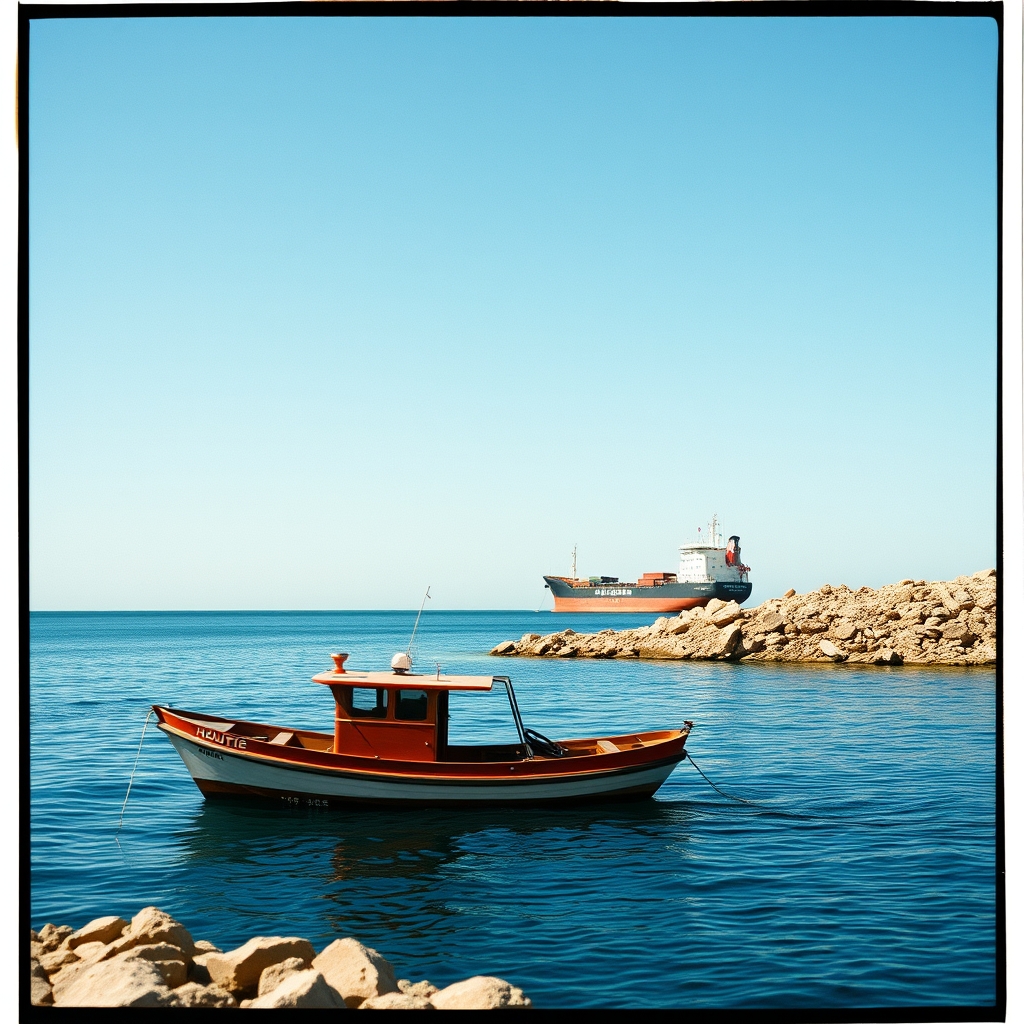
Houthis seize Perim Island – the real impact on Red Sea shipping
According to BBC News, Yemen’s Iran‑backed Houthi movement has captured Perim Island at the mouth of the Bab al‑Mandab Strait, completing a rapid push that also saw them take the port city of Mokha. The gain puts the militants in a position to influence one of the world’s busiest maritime corridors, a development that matters for oil traders, insurers and any company that ships goods between Europe and Asia.
The Bab al‑Mandab in context
The Bab al‑Mandab is a narrow waterway linking the Red Sea to the Gulf of Aden. Ships that travel from the Suez Canal to the Indian Ocean must thread through this strait, making it a choke point for oil, liquefied natural gas and container traffic. After the United States and Iran have repeatedly threatened to close the Strait of Hormuz – the main route for Persian‑Gulf oil – shippers have relied more heavily on the Red Sea corridor. Roughly 10 % of global oil passes through Bab al‑Mandab, according to pre‑conflict trade data.
Recent Houthi advances
The Houthi offensive that began in early September first seized Mokha, a coastal city that sits on the Red Sea’s western shore. Within days, pro‑government forces pulled back from Perim Island, allowing Houthi units to occupy the rock‑studded outpost. The militants issued a statement claiming they have made the “maritime navigation safe for all companies except for Saudi vessels,” signalling a selective threat rather than a blanket blockade.
How island control could shape shipping traffic
Perim sits at the strait’s narrowest point, only about 2 km wide. Controlling the island gives the Houthis a foothold from which they can monitor, and potentially harass, passing vessels. In practice this usually means:
- Increased inspection risk – ships may be stopped for boarding or forced to reroute if a Houthi patrol claims a violation.
- Higher insurance premiums – war‑risk coverage for vessels transiting the strait typically spikes after any credible threat.
- Potential rerouting – if the Houthis start targeting commercial tankers, shippers could shift cargo to longer routes via the Cape of Good Hope, raising fuel costs and delivery times.
The following table compares the two main alternatives for oil transport to Asia:
| Route | Approx. distance (km) | Typical daily oil volume | Main security concerns |
|---|---|---|---|
| Bab al‑Mandab (via Suez) | 13,000 (Suez‑to‑Asia) | ~7 million barrels | Houthi militia activity, piracy in Gulf of Aden |
| Cape of Good Hope | 15,500 (Europe‑to‑Asia) | ~2 million barrels | Rough seas, longer transit time |
The numbers show that the Red Sea remains the preferred path by a wide margin, even when security risks are factored in. A sustained Houthi threat could erode that advantage, but only if they move beyond intimidation to actual attacks on commercial vessels.
The hidden trade‑off
The headline that the Houthis now control Perim sounds like a strategic victory, yet the reality is more nuanced. Their ability to enforce a “selective threat” relies on a limited naval capability – mainly small boats, coastal missiles and drones. Maintaining a blockade against a determined navy or coalition air power would be costly. The trade‑off here is that the Houthis gain bargaining chips with Saudi Arabia and the United States, while simultaneously inviting a stronger military response that could endanger the civilian population they claim to protect.
What we would watch is whether the Houthis start issuing concrete targeting warnings to non‑Saudi ships. So far, their statements leave a loophole: only Saudi vessels are singled out. If that line blurs, insurers will raise rates sharply and some shippers may pre‑emptively reroute, even without an actual attack.
What to watch next
- US‑Saudi diplomatic talks – a senior US official has said they are in “continuous dialogue” with Saudi Arabia and Yemen’s recognised government. Any shift in US policy, such as authorising strikes on Houthi positions, would quickly alter the risk calculus.
- Houthi communications – follow official Houthi releases for changes in language from “Saudi vessels only” to a broader definition of targets.
- Insurance market signals – war‑risk premiums for the Red Sea corridor are a real‑time barometer of perceived danger. A jump of more than 20 % would indicate market consensus that the threat is escalating.
- Oil price movements – while oil already spiked above $100 a barrel after the latest attacks, a sustained upward trend could signal that traders expect longer‑term disruption.
Practical steps for businesses
If your supply chain relies on oil or container traffic through the Red Sea, consider the following actions today:
- Check your cargo insurance – confirm that war‑risk coverage includes the Bab al‑Mandab and that limits are adequate.
- Map alternative routes – model the cost impact of diverting a portion of your cargo via the Cape of Good Hope; this can be a useful contingency if premiums rise sharply.
- Stay updated on advisories – subscribe to maritime security bulletins from the International Maritime Organization and your national navy’s shipping alerts.
- Engage with freight forwarders – ask them how they are handling the current risk and whether they are already booking extra buffer time for transits.
By taking these steps now, you can limit exposure to any sudden escalation while the geopolitical situation remains fluid.