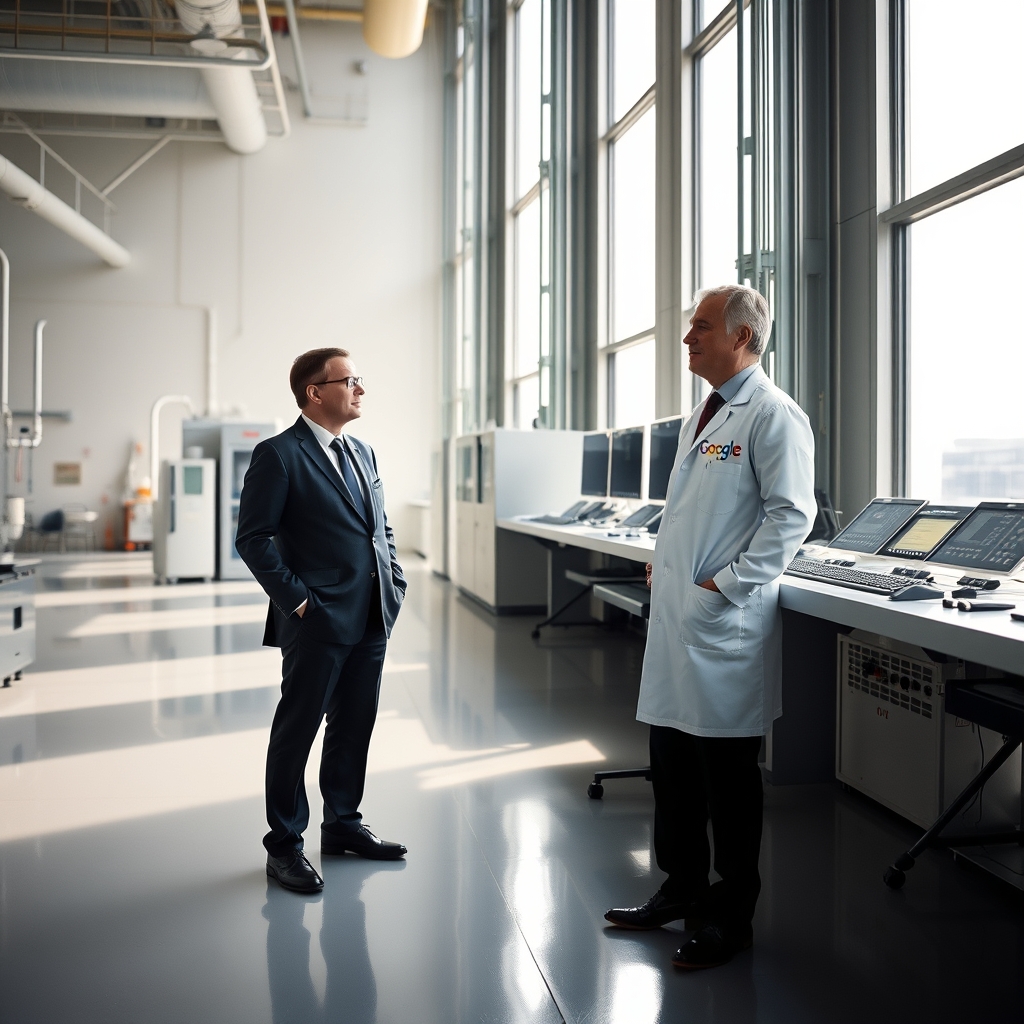
Google’s €13 bn AI push in Finland: what the nuclear power deal really means
According to BBC News, Google announced a €13 bn investment in Finland that includes three new data centres, an expansion of an existing site, and a 22‑year contract to buy up to half of the electricity from the Loviisa nuclear power plant.
The deal in plain terms
Google will build new facilities in Kajaani, Muhos and Vaala, while enlarging the Hamina centre that started life as a former paper mill. The company says the sites will support its AI chatbot Gemini and everyday services like Search, Maps and YouTube. To power the extra load, Google signed a long‑term purchase agreement with Finnish utility Fortum to take up to 50 % of Loviisa’s output, roughly 10 % of the nation’s electricity today. Construction is slated for 2027‑2028 and the project claims to create more than 37,000 construction jobs and add €3.6 bn to Finland’s annual GDP.
Why Finland attracts AI‑heavy data centres
Two natural advantages make Finland a favourite for cloud providers. First, the cool climate cuts the energy needed to chill thousands of servers; a lower ambient temperature means fewer kilowatts spent on air‑conditioning. Second, the country’s power mix is already low‑carbon, with a significant share coming from nuclear and hydro sources, and the grid is less congested than in many parts of Europe. Those factors translate into lower operating costs and a smaller carbon footprint, which tech firms can tout as part of their sustainability pledges.
The trade‑off: nuclear power, local impact and cost certainty
The headline‑grabbing part of the agreement is the purchase of half the Loviisa plant’s output. On paper, this gives Google a guaranteed, cheap, low‑carbon electricity supply for the next two decades. For Fortum, the contract offers financial certainty that can justify extending the plant’s life and even boosting its capacity.
The downside is less obvious. Locking a large share of nuclear output to a single private customer reduces the amount of electricity available for Finnish households and other industries, potentially nudging up wholesale prices once the plant reaches full capacity. Critics also argue that relying on nuclear ties Finland’s AI infrastructure to a technology that, while low‑carbon, raises long‑term waste‑management and de‑commissioning questions. In practice this usually means local communities will have to balance the promise of jobs and investment against concerns about energy pricing and nuclear safety.
Winners, losers and the broader competition
| Player | Investment amount | Main location(s) | Primary power source |
|---|---|---|---|
| €13 bn | Kajaani, Muhos, Vaala, Hamina (expansion) | Up to 50 % of Loviisa nuclear output | |
| TikTok | $1 bn | Kouvola (new centre) | Finnish clean‑energy mix |
| Fortum (utility) | – | Operates Loviisa plant | Nuclear |
Google gains a massive, predictable compute platform that can keep its AI services competitive with rivals. Finland wins a headline‑making foreign investment, new jobs and a boost to its GDP. Fortum secures a long‑term revenue stream that can fund plant upgrades.
Potential losers include domestic electricity users who might face tighter supply, and competing data‑centre operators who may find it harder to secure similarly cheap, low‑carbon power. Environmental NGOs may also view the deepening of nuclear reliance as a step away from truly renewable energy sources.
What to watch next
The next few months will reveal how the Finnish government balances this deal with its broader energy policy. Key indicators to follow are:
- Any regulatory review of the long‑term power purchase, especially regarding market competition.
- The timeline and budget for the Loviisa plant’s life‑extension programme, which will affect overall nuclear capacity.
- Responses from other AI‑focused cloud providers—if Google’s model proves profitable, we may see similar contracts in other low‑temperature, low‑carbon regions.
- Community reactions in the chosen towns, particularly regarding job quality, housing pressure and local environmental monitoring.
Practical takeaways for today
- If you are a Finnish job‑seeker in IT or construction, start monitoring hiring announcements from Google and its subcontractors; positions are likely to be listed in 2025‑2026.
- Finnish policymakers should prepare impact assessments on electricity pricing and consider safeguards that keep enough power on the open market for non‑AI industries.
- Investors eyeing the European data‑centre market can treat Finland as a test case for low‑carbon, nuclear‑backed AI infrastructure; similar deals may appear in Norway, Sweden or Canada.
- Environmental groups can use the contract’s transparency to demand regular reporting on nuclear waste handling and any additional emissions from the new facilities.