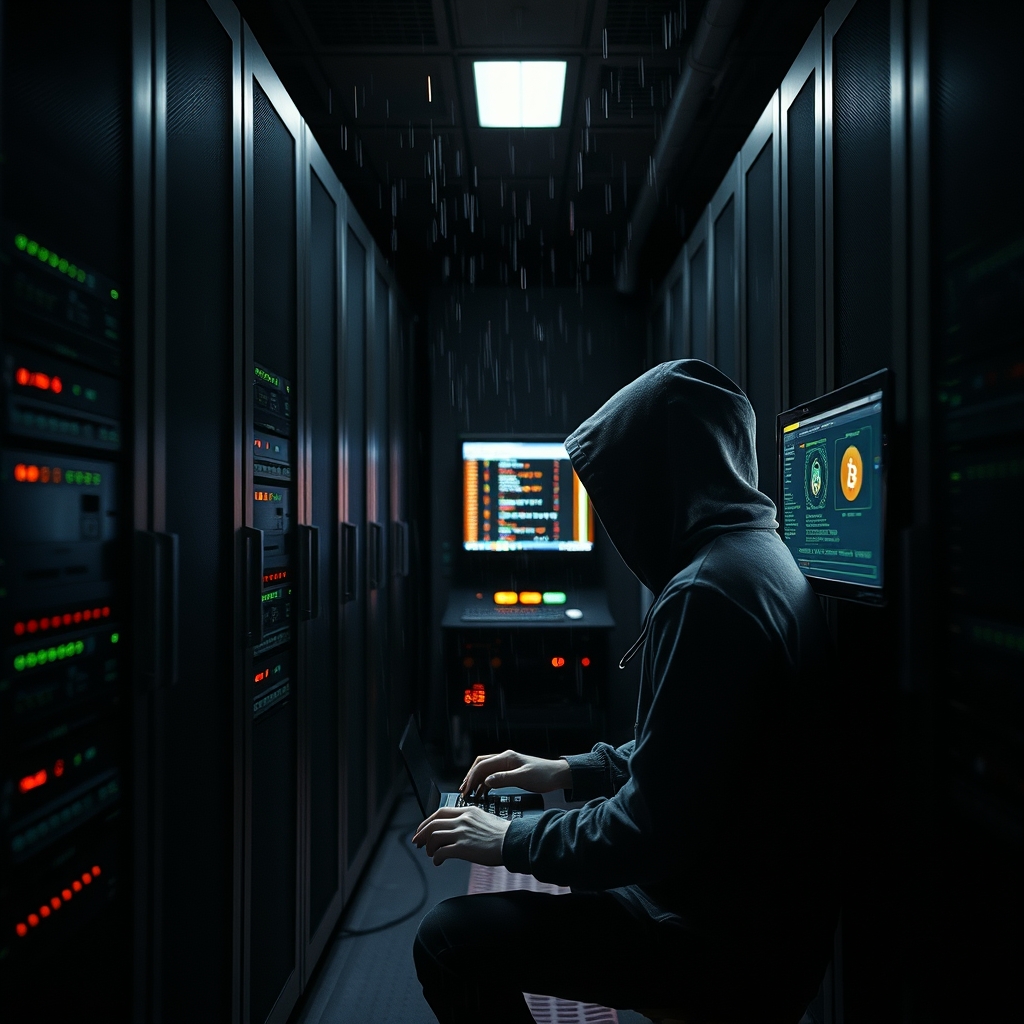
Inside Binance’s $6.3 bn hack: fake job interviews, compromised AI and the hidden cost of speed
According to BBC News, Binance confirmed that a record $6.3 bn (£4.7 bn) theft was carried out through a multi‑stage social‑engineering campaign that began with a fake job interview. The breach forced the exchange to halt withdrawals worldwide, shaking confidence in the platform that processes the bulk of crypto trading.
How the fake interview chain broke Binance’s defenses
The attackers started on a legitimate job‑hunting platform, posing as recruiters for a non‑existent company. They built a believable online presence, sharing personal photos and a social‑media footprint that matched the engineer’s expectations. During a second “interview”, the engineer was asked to download an “assignment”. The file was actually malware wrapped in obfuscation techniques – code that hides its true purpose by scrambling identifiers and encrypting payloads, making it hard for antivirus tools to spot.
Once the malware ran, it gave the hackers remote access to the engineer’s workstation. From there they leveraged a compromised internal AI tool that Binance uses to automate certain security checks. By feeding the tool manipulated data, the attackers extended their foothold to two other engineers’ laptops, ultimately gaining control of the wallets that hold the exchange’s own crypto reserves.
What actually changed for Binance and its users
The headline‑grabbing number – $6.3 bn – is only part of the story. Binance announced that it had set aside more than 100 % of the lost funds and that 98 % of the affected token assets had been replenished as of Saturday. In practice this means most users saw their balances restored, but the incident revealed two practical changes:
- Withdrawal suspension policy – Binance now has a clearer trigger for halting withdrawals, tied to a “critical security breach” definition rather than an ad‑hoc decision. Users should expect short‑term lock‑outs when Binance detects anomalous activity on its core wallets.
- AI tool overhaul – The compromised AI system will be replaced or heavily audited. Binance plans to invest in AI that can flag suspicious code execution, but it also acknowledges that AI can become a double‑edged sword if attackers gain access to the model itself.
For regular traders, the immediate impact is a reminder that even the biggest exchange can be taken offline for hours. For institutional clients, the episode may prompt a re‑evaluation of custody arrangements – moving more assets to cold storage or using multi‑signature wallets that require several independent approvals before a transfer.
Comparison with past crypto exchange hacks
| Year | Exchange | Amount Stolen | Primary Method |
|---|---|---|---|
| 2014 | Mt. Gox | $460 m | Weak internal controls, private key theft |
| 2021 | PolyNetwork | $610 m | Exploited cross‑chain contract vulnerability |
| 2022 | KuCoin | $281 m | Phishing and API key compromise |
| 2025 | Bybit (Lazarus Group) | $1.5 bn | Supply‑chain malware and credential theft |
| 2026 | Binance | $6.3 bn | Social‑engineering fake interview + compromised AI |
The table shows a shift from purely technical exploits (smart‑contract bugs, API key leaks) toward human‑focused attacks that blend technical malware with deception. The Binance case is the first where a fabricated recruitment process was the entry point, highlighting the growing importance of employee security hygiene.
The trade‑off nobody spells out: speed versus security
Crypto exchanges compete on latency – the faster a trade can be executed, the more attractive the platform. To achieve millisecond order routing, many firms automate risk checks with AI and allow engineers direct access to production environments. The downside is a larger attack surface: each privileged login is a potential doorway.
In practice this means Binance must now balance two competing goals:
- Maintain ultra‑low latency for traders, which favors minimal manual gate‑keeping.
- Harden internal processes, which often adds friction (e.g., multi‑factor authentication for every code change, stricter code‑review pipelines).
The trade‑off will likely surface as slightly longer onboarding times for new engineers and more frequent internal security drills. Users may notice occasional “security pauses” that temporarily delay withdrawals or order execution – a small inconvenience that could protect billions.
What to watch next
- Law‑enforcement tracing – The FBI and Secret Service are actively following the blockchain trail. A freeze of stolen tokens would signal a possible recovery of funds.
- North Korea attribution – While the U.S. agencies point to the Lazarus Group, Pyongyang denies involvement. Future indictments or sanctions could reshape how crypto platforms vet cross‑border transactions.
- AI‑driven defense tools – Binance’s pledge to invest in AI for threat detection will be tested. Watch for announcements about third‑party audits or open‑source collaborations that aim to make AI models transparent.
- Industry‑wide policy shifts – Other exchanges may adopt similar withdrawal‑suspend triggers or require external security certifications. Keep an eye on any new regulatory guidance from bodies like the Financial Conduct Authority (FCA) or the U.S. Securities and Exchange Commission (SEC).
Concrete steps you can take today
- Review your own security hygiene – Enable hardware‑based two‑factor authentication on any crypto‑related accounts, and avoid downloading unsolicited files, even if they appear to come from a “job interview”.
- Diversify custody – If you hold more than a few thousand dollars in crypto, consider moving a portion to a hardware wallet that is never connected to the internet.
- Stay informed – Follow Binance’s official blog and reputable security newsletters for real‑time updates on the investigation and any changes to withdrawal policies.
- Test your recovery plan – Write down where your private keys are stored and practice a quick retrieval drill. In a crisis, you’ll thank yourself for having a clear, tested process.