Supermarket Freezer Hack Shows How Everyday IoT Can Be Turned Into a Weapon
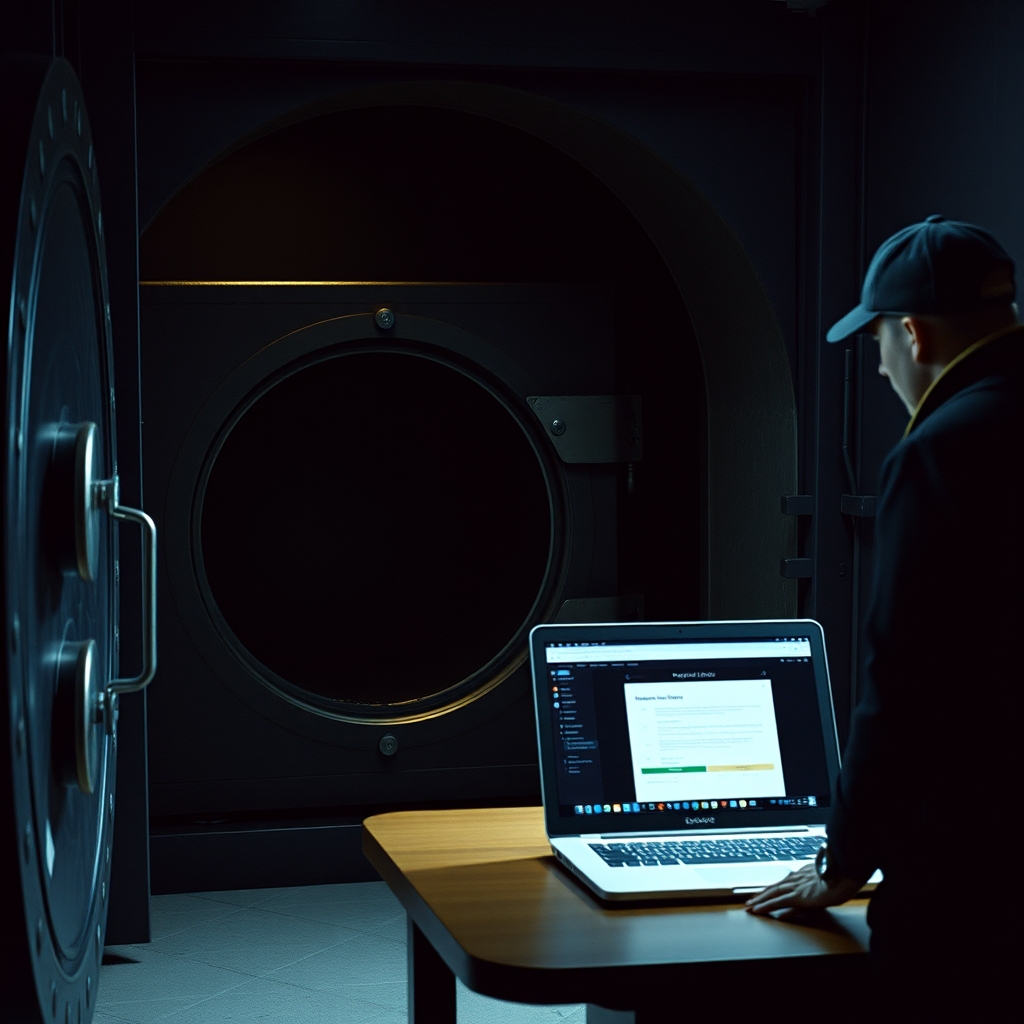
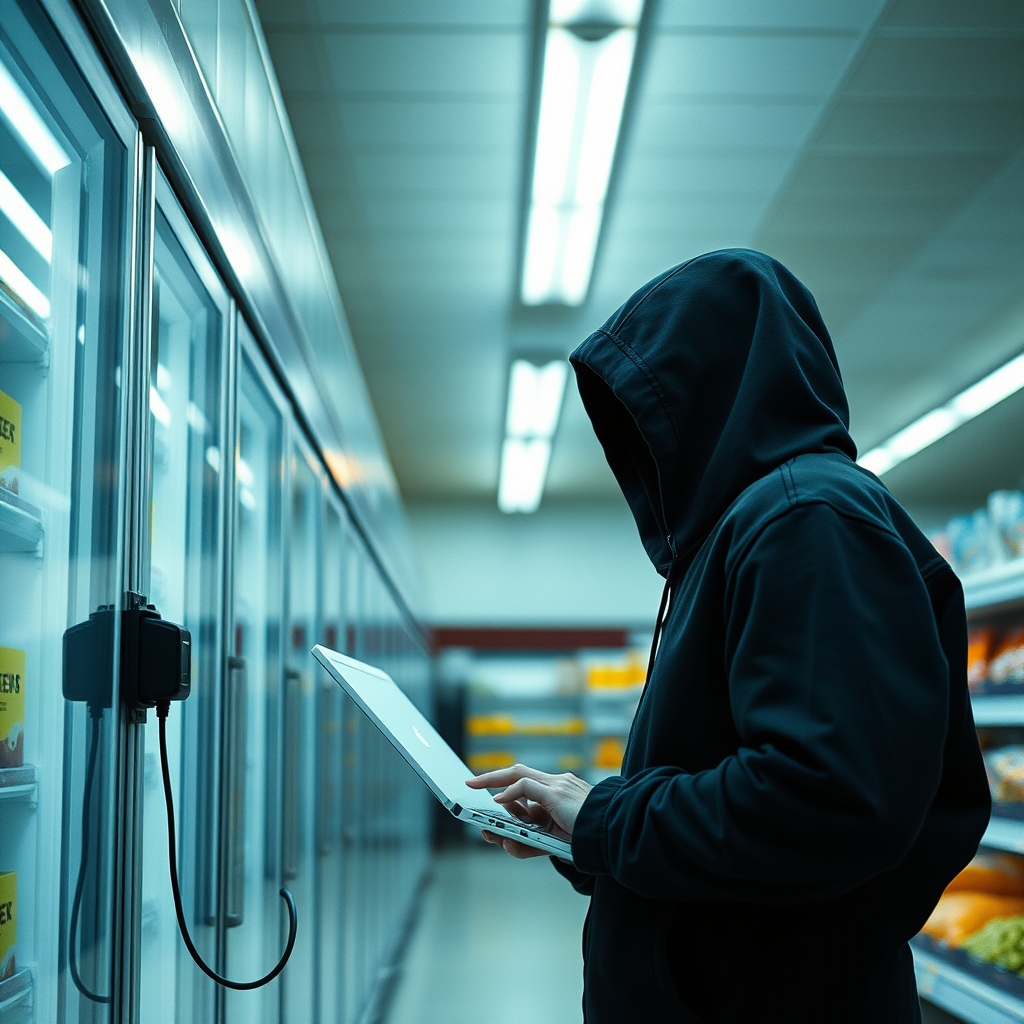
According to BBC News, a coordinated cyber‑attack hit supermarket fridges and freezers in seven European countries, allowing attackers to manipulate temperature controls. The incident brings the hidden risk of internet‑connected appliances into public view and forces both retailers and ordinary consumers to rethink how they secure smart devices.
The incident in plain terms
The attack, reported in November, let hackers change settings on refrigeration units that keep food fresh. By accessing the devices over the public internet, they could raise or lower temperatures, potentially spoiling stock or causing supply‑chain disruptions. The breach did not spread to domestic appliances, but researchers from UK Cyber Defence found more than 800 refrigeration and building‑control interfaces linked to British retailers that are reachable online. Those interfaces are not automatically vulnerable, yet they sit on the same network path as any weak password or unpatched software.
How a fridge becomes a target
Smart appliances embed a tiny computer, a network stack, and a remote‑management portal. The portal lets a store manager adjust temperature from a central control room, which is convenient for logistics but also creates a doorway for anyone who can guess or steal the login credentials. In 2015, a Samsung smart fridge was shown to leak traffic, proving that even a consumer‑grade fridge can be coaxed into revealing data. The same principle applies to industrial‑scale units: once an attacker gains a foothold, commands such as “defrost now” become a way to damage physical stock, not just to shut down a server.
What regulators and the industry are doing
Since April 2024, UK law requires manufacturers of certain consumer smart devices to meet baseline cybersecurity standards, covering password strength and the ability to roll out security updates. The National Cyber Security Centre (NCSC) is working with international partners and the retail sector to map exposed interfaces and share threat intelligence. Retail leaders, including the British Retail Consortium chief, have pledged to improve cyber‑resilience, and the government has already held talks with senior food retailers about hardening their networks.
The hidden trade‑off: convenience versus security (Analysis)
The appeal of connected appliances is obvious – remote monitoring saves staff time, reduces waste, and enables predictive maintenance. The hidden cost is a larger attack surface. When a device is always reachable from the internet, the default password, infrequent patch cycle, or a forgotten firmware bug becomes a liability. In practice this means that every new convenience feature adds a line of code that could be exploited, and the burden of fixing it falls on manufacturers, retailers, and ultimately the end user.
| Device class | Typical internet exposure | Mandatory security measures (UK law) | Common weak point |
|---|---|---|---|
| Consumer smart fridge | Remote app or cloud portal for temperature checks | Strong password, automatic security updates | Default factory credentials |
| Retail refrigeration interface | Public‑internet reachable API for chain‑wide control | Same as consumer + regular penetration testing | Unpatched firmware |
| Vehicle infotainment system | Cellular or Wi‑Fi link for OTA updates | Secure boot, signed firmware | Legacy code that allows remote code execution |
The table shows that the same security checklist applies across very different products, yet implementation varies. Larger retailers can afford dedicated security teams to audit firmware, while smaller utility firms may still run legacy controllers that never received a patch. That disparity creates a tiered risk landscape: high‑value targets get quick fixes, low‑budget operators remain exposed.
What to watch next
Two developments are likely to shape the next few months. First, the NCSC is expected to publish detailed guidance on securing IoT endpoints, which may tighten the definition of "certain consumer smart devices" and broaden the list of mandatory safeguards. Second, retailers are experimenting with network segmentation – placing all IoT gear on a separate VLAN (virtual LAN) that blocks inbound traffic from the public internet. If these measures prove effective, we should see a drop in the number of publicly reachable interfaces reported by security researchers.
Practical steps you can take today
- Update every smart appliance as soon as a firmware patch is released – the process usually takes a few minutes.
- Replace default passwords with long, unique phrases; store them in a password manager.
- Enable multi‑factor authentication on any account that controls a device, even if it feels like an extra hassle.
- Put all IoT gear on a dedicated Wi‑Fi network that does not grant access to your main computers or smartphones.
- Periodically check whether the manufacturer has a clear security‑update policy; if not, consider replacing the device.
By treating a fridge the same way you would a computer – with patches, strong credentials, and network isolation – you close the most obvious door that attackers try to walk through.