US Envoys Meet Putin in Moscow: What the Weekend Talks Mean for Ukraine
According to BBC News, senior US negotiators Steve Witkoff and Jared Kushner met Russian President Vladimir Putin in Moscow on Friday, then prepared to travel to Kyiv for a second round of talks on Saturday. The meeting is the latest attempt to pry open a peace process that has stalled for more than two years.
The Moscow Encounter
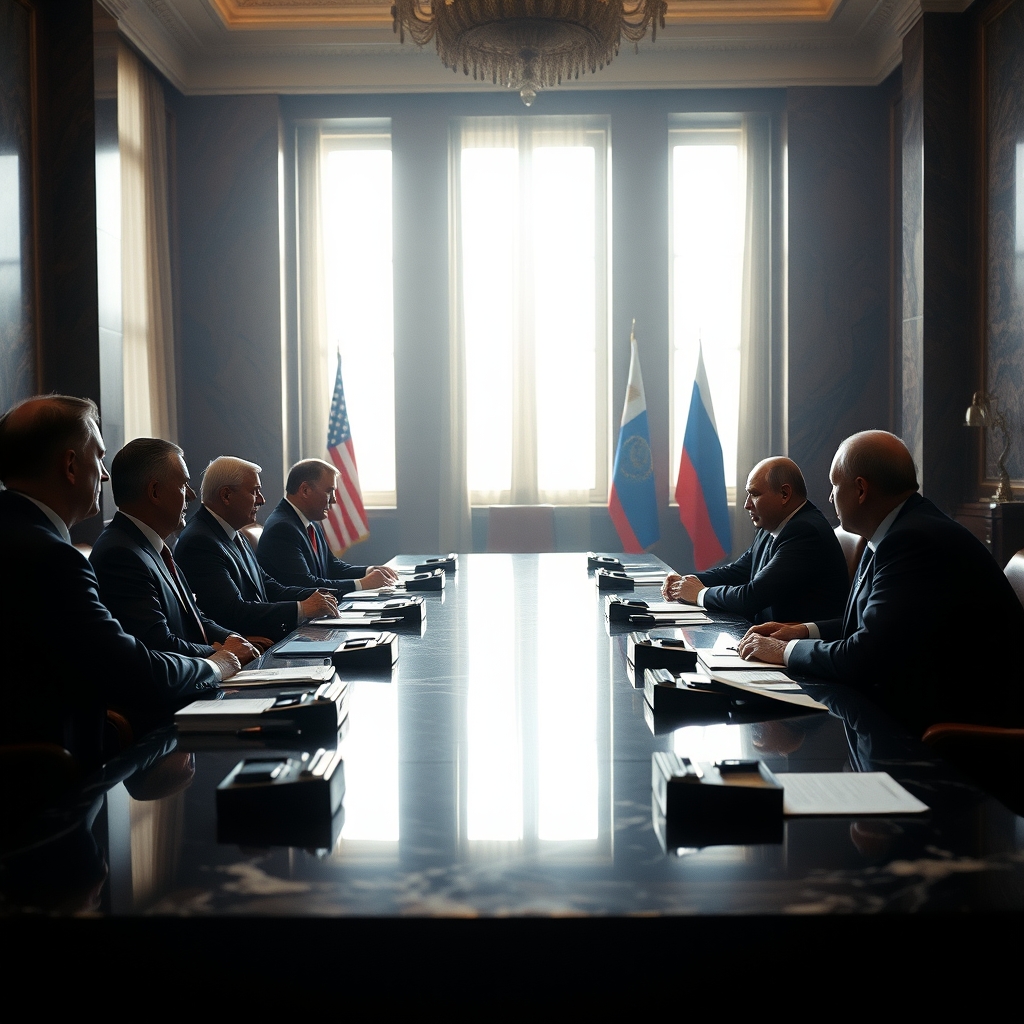
The Kremlin released footage of the three‑hour, behind‑closed‑doors session at Putin’s official residence. Putin described the situation as “not so easy” but said the contacts were “undoubtedly always useful”. He thanked US President Donald Trump for his “peacemaking efforts” and claimed he felt a “high level of trust” with the envoys. Adviser Yuri Ushakov called the talks “constructive, extremely frank” and noted that they covered not only the Ukrainian conflict but also economic cooperation and potential large‑scale Russian‑American projects.
A Three‑Day Halt to Capital Strikes
Witkoff thanked Putin for agreeing with Ukraine to stop strikes on each other’s capitals for three days. Ukraine’s President Volodymyr Zelensky confirmed the pause, saying Kyiv would refrain from hitting Moscow and expected the same from Russia regarding Kyiv. The cease‑fire applied only to the capitals; Putin later clarified that Russia had not agreed to a broader cease‑fire across the rest of Ukraine.
The Current Battlefield
Russia now controls about one‑fifth of Ukrainian territory – areas it seized back in 2022 – but its ground advance remains slow and costly. Casualties on both sides are high, and the front lines have shifted little in recent weeks. Ukrainian airspace has stayed closed since the invasion began in February 2022, limiting the options for rapid diplomatic travel.
Kyiv Awaits the US Team
Zelensky said he had spoken with the envoys and that Ukraine was ready for “a substantive conversation”. He also warned that Russia had launched “demonstrative” strikes on Kyiv’s airports overnight, possibly reacting to the prospect of the US team arriving by air. Zelensky pledged to keep Russian airspace safe for the visitors and called on Russia to reciprocate.
What the Moscow‑Kyiv Shuttle Really Changes
The meeting adds a new diplomatic channel, but the practical impact is limited. First, the cease‑fire is narrow – only the capitals – leaving the bulk of the fighting untouched. Second, the talks did not produce any publicly disclosed concessions on the core issues that have stalled peace talks for months: the status of the territories Russia occupies and the security guarantees Ukraine demands. Third, the presence of Kushner, a former senior adviser with deep personal ties to Trump, raises questions about the United States’ official diplomatic posture; the White House has not issued a statement, and the Kremlin has offered no details.
In practice, the three‑hour dialogue likely served more as a confidence‑building exercise than a negotiation of concrete terms. By acknowledging Russian advances and the “root causes” of the conflict, both sides signaled a willingness to discuss broader political and economic questions. However, without a clear framework for how those discussions translate into on‑the‑ground steps, the talks risk becoming a symbolic gesture.
Who should care? For Kyiv, the pause in capital strikes offers a brief breathing space to focus on defending other fronts and rebuilding critical infrastructure. For Moscow, the ability to claim a diplomatic win – a foreign delegation willing to travel to its capital – may bolster its domestic narrative. For the United States, the mission provides a way to stay involved without committing formal diplomatic resources, but it also exposes the administration to criticism if the effort yields no tangible progress.
What to watch next? The outcome of the Saturday‑Sunday talks in Kyiv will be the first real test of whether the Moscow meeting was more than a photo‑op. Look for any statements about prisoner exchanges, humanitarian corridors, or a roadmap toward a broader cease‑fire. Keep an eye on the reactions of European allies, especially those who have been pushing for a unified Western approach. Finally, monitor any shift in Russian military activity – a sudden de‑escalation could indicate that the talks are influencing strategy, while an uptick would suggest the diplomatic overture has little effect.
Timeline of Recent Diplomatic Moves
| Date | Event | Main Participants |
|---|---|---|
| 7 Oct 2024 | CIA head John Ratcliffe visits Moscow (rare) | John Ratcliffe (USA) |
| 13 Oct 2024 | US envoys Steve Witkoff and Jared Kushner meet Putin | Witkoff, Kushner, Putin |
| 14 Oct 2024 | Planned US‑Ukrainian talks in Kyiv | Witkoff, Kushner, Zelensky |
| 15 Oct 2024 | Expected follow‑up talks in Kyiv | Same envoys and Ukrainian officials |
What Readers Can Do Now
If you follow the Ukraine conflict, stay alert for official statements from Kyiv and Moscow after the Kyiv meeting – they will reveal whether any concrete steps were agreed. For those considering humanitarian support, note that the three‑day cease‑fire in the capitals may open a narrow window for aid deliveries to those cities. Finally, keep an eye on the U.S. administration’s messaging; any shift toward a formal diplomatic channel could change how other countries engage with the peace process.