US‑Denmark Security Pact on Greenland: What Changes and Who Gains
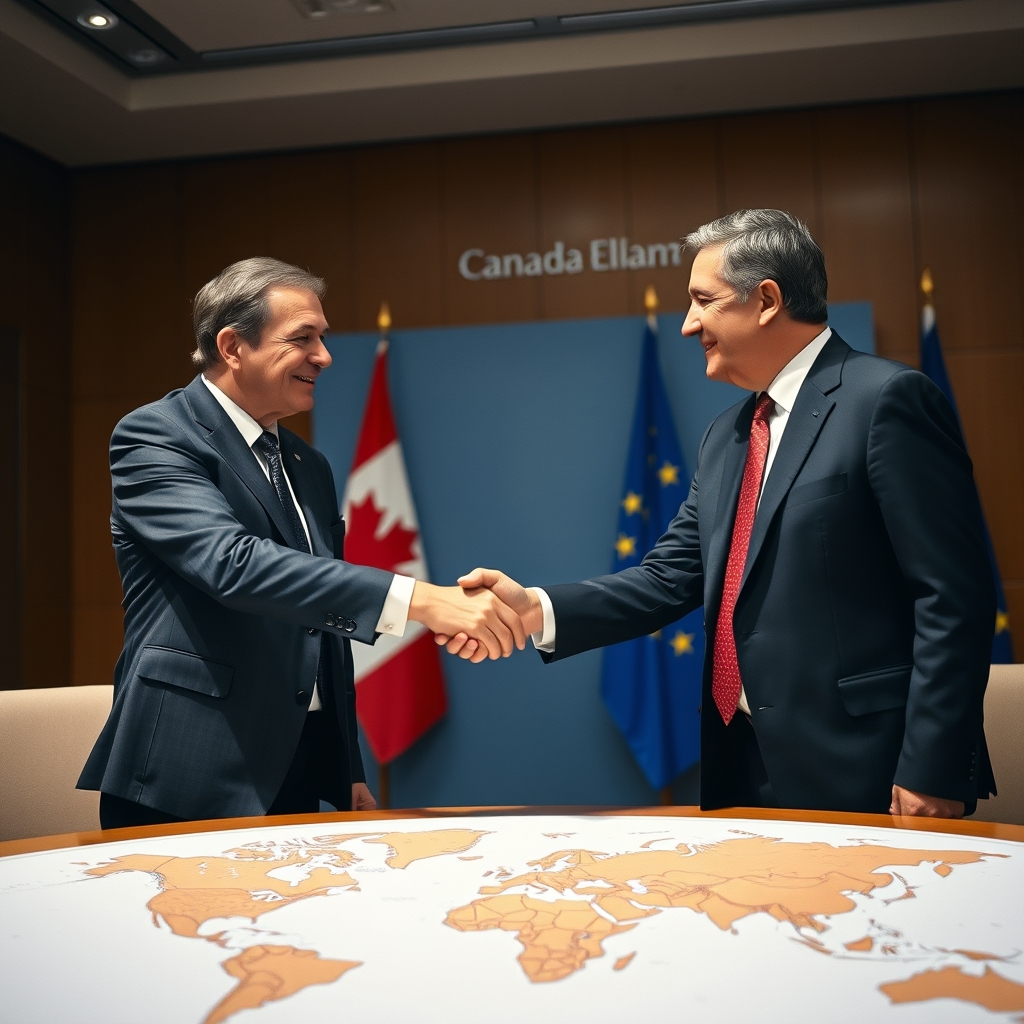
According to BBC News, the United States and Denmark announced a security agreement covering Greenland, ending months of public threats by former President Donald Trump to take the island by force. The pact promises "permanent control" for the US over Greenland’s security while formally recognising Danish sovereignty and Greenlandic self‑determination.
Background: From purchase offers to security threats
Trump’s interest in Greenland began in 2019 when he floated the idea of buying the Danish territory for about $1 billion. Over the next year he escalated the rhetoric, posting on his Truth Social platform that the US would need "permanent control" of Greenland for defence purposes and to tap its mineral wealth. He even hinted at military action if Denmark refused. The pressure sparked a diplomatic row: Danish officials, NATO allies and many Europeans condemned the idea as a breach of international norms.
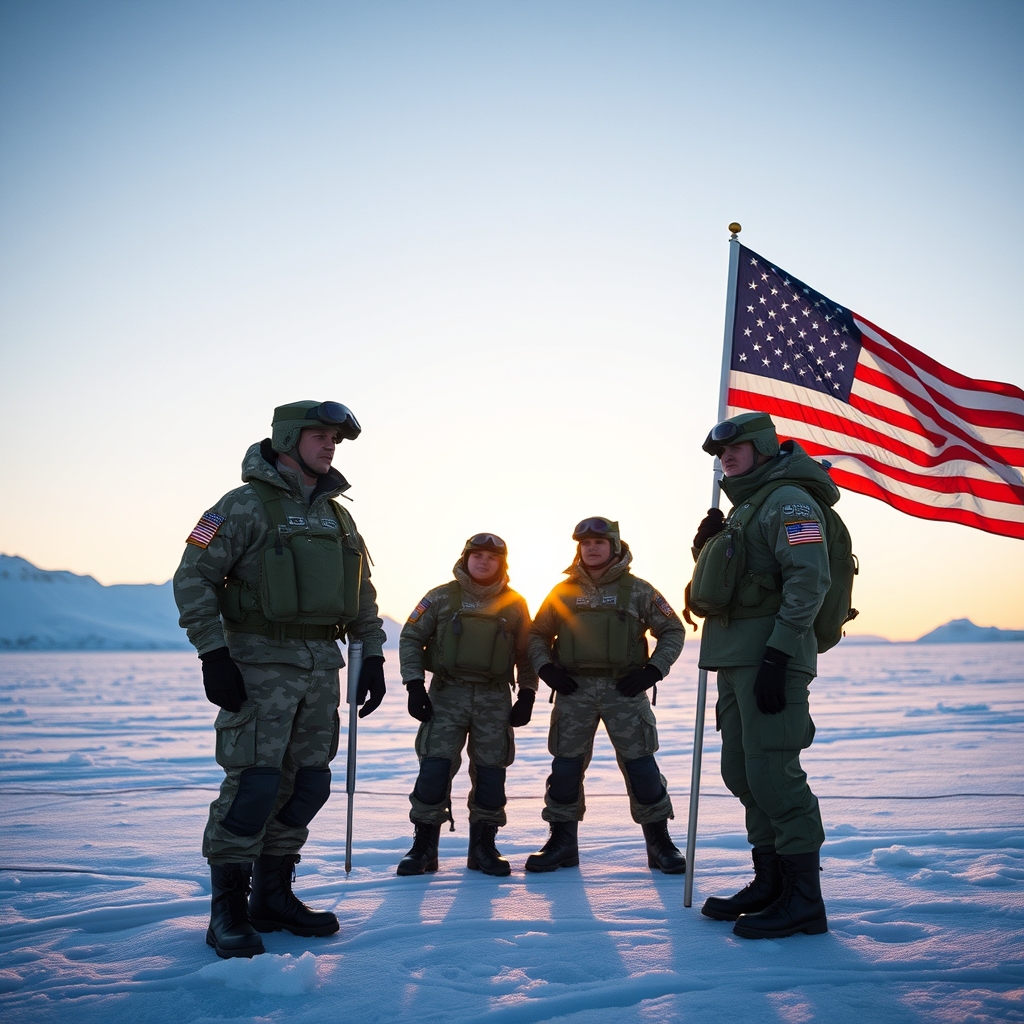
The US already has a legal foothold in Greenland from a 1951 defence agreement signed between Washington and Copenhagen. That Cold‑War‑era treaty allows the United States to station troops and operate the Pituffik Space Base (formerly Thule Air Base) without a set limit on numbers. As of the latest count, more than 100 US service members live at the base year‑round. The 1951 pact never mentioned mineral extraction or broader security authority, leaving room for interpretation.
What the new deal says
Both governments framed the agreement as a win‑win for Arctic security. Danish Prime Minister Mette Frederiksen said it "strengthens our common security in the Arctic and the North Atlantic area" while also respecting Denmark’s sovereignty and Greenlanders’ right to self‑determination. Greenland’s own government chief, Jens‑Frederik Nielsen, called the deal "gratifying" and said it "ensures and strengthens the security of Greenland, Denmark and the US".
Trump, speaking on Truth Social, claimed the pact costs the United States nothing and gives America the ability to act "as necessary" to defend Greenland. He added that the agreement forbids any US adversary from maintaining a military presence on the island or making "sensitive investments" without explicit US written consent. No full text of the agreement has been released, and Danish officials note that parliamentary approval is still required before it can enter force.
How the arrangement fits into existing legal framework
| Feature | 1951 US‑Denmark defence agreement | 2024 security pact (as described) |
|---|---|---|
| Scope of US security role | Broad permission to station troops and use facilities for defence | "Permanent control" over all security matters, plus veto on adversary military or sensitive economic activity |
| Cost to US | Not specified; costs borne by US for base operations | Claimed to be "no cost" to the United States |
| Sovereignty language | Denmark retains full sovereignty; US presence limited to defence | Denmark’s sovereignty and Greenlandic self‑determination explicitly recognised |
| Parliamentary ratification | Required under Danish law, but historically uncontroversial | Explicitly needed before the agreement can take effect |
| Mineral access | No provisions | Implicit interest in rare‑earth resources, though details not disclosed |
The table highlights that the new pact expands the US’s discretionary authority beyond the troop‑level permissions of 1951, while still preserving the formal diplomatic wording that Denmark and Greenland demand.
Analysis: The hidden trade‑off
The headline‑grabbing claim is that the US now has "permanent control" over Greenland’s security with no financial outlay. In practice, the trade‑off is a shift of decision‑making power from Danish and Greenlandic authorities to Washington. The United States gains a clear legal basis to block any Chinese, Russian or other foreign military foothold on the island and to monitor a strategic air corridor that circles the Arctic. That aligns with US concerns about missile trajectories from Russia and China, and supports the so‑called "Golden Dome" missile‑defence concept that Trump promoted.
For Denmark and Greenland, the upside is a reaffirmation of NATO‑backed security guarantees and a potential boost to investment in the island’s untapped rare‑earth deposits. The downside is a loss of leverage: future Greenlandic decisions about mining licences or foreign partnerships will now be subject to US written approval. That could limit Greenland’s ability to negotiate directly with non‑US firms, a point that critics in Denmark and the EU have already flagged.
NATO allies are likely to watch the deal closely. While the alliance welcomes any measure that deters adversary encroachment in the High North, members may worry about a precedent where a single nation can unilaterally dictate security terms for a third‑party territory. The EU, which shares Arctic interests with Denmark, could interpret the US veto power over "sensitive investments" as a constraint on European companies seeking Greenlandic contracts.
What to watch next
- Parliamentary ratification – Denmark’s Folketing and Greenland’s Inatsisartut must both pass the agreement. Delays or amendments could reshape the final text.
- UN General Assembly signing – The formal ceremony next week will set the diplomatic tone; any objections from other member states could signal broader geopolitical friction.
- US domestic politics – With the 2024 election cycle heating up, the deal may be used by candidates to argue for stronger national security or, conversely, to criticize executive overreach.
- Chinese and Russian responses – Both powers have expressed interest in Arctic resources. Watch for diplomatic notes or commercial moves that test the "no adversary presence" clause.
- Mineral development plans – Companies in the US, EU and Asia are already scouting Greenland for rare‑earths. Future licensing announcements will reveal how much the US actually leverages its new security authority for economic gain.
Practical advice for today
- Investors – If you are tracking rare‑earth markets, keep an eye on Greenland‑focused mining firms. The agreement could smooth regulatory approval, but the US veto power adds political risk.
- Policy makers – Danish and Greenlandic legislators should negotiate clear limits on the US’s "express written approval" to avoid blanket restrictions on future partnerships.
- Citizens – Follow the parliamentary debates and UN proceedings. Public scrutiny will be the main lever to ensure Greenlandic self‑determination remains more than a line in a press release.