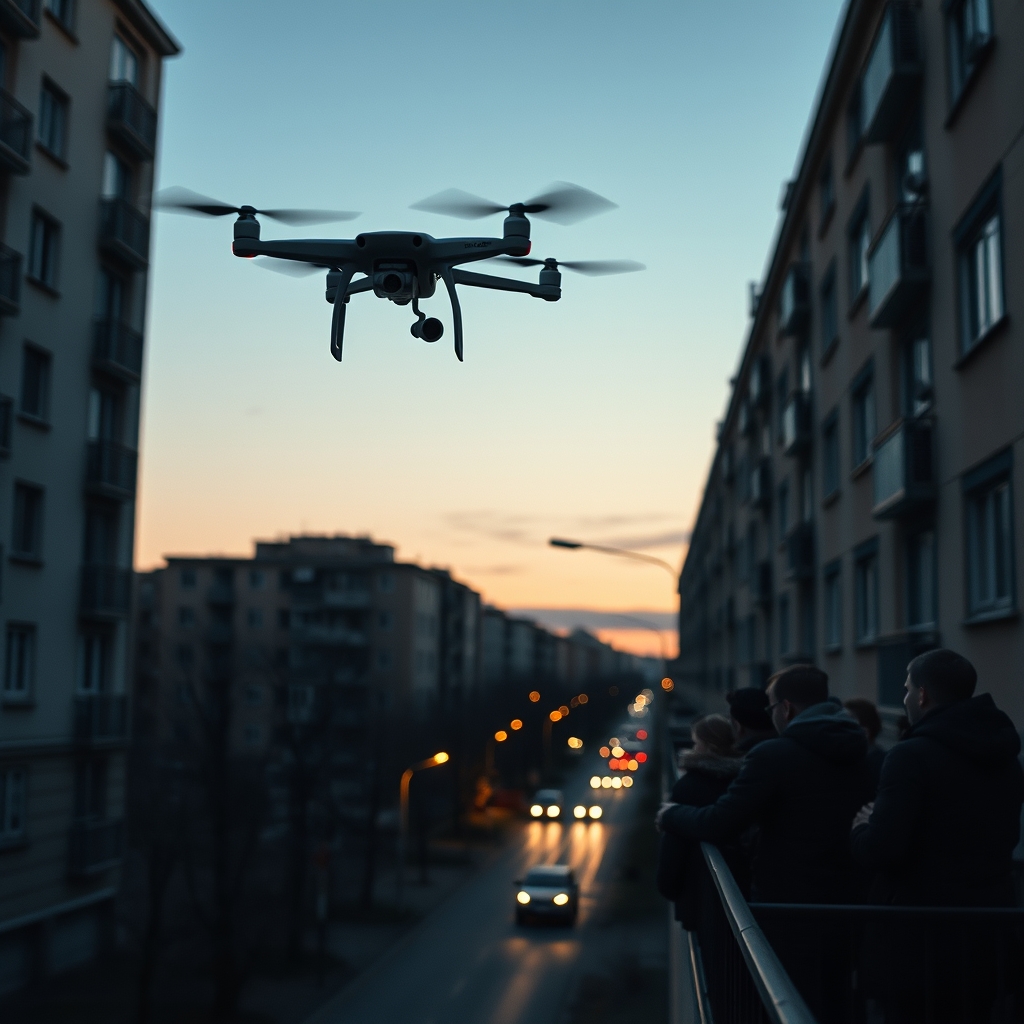
What the Moscow drone raid really means for the conflict
Ukrainian forces launched a large‑scale drone raid on the Moscow region overnight, killing two people and sparking fires in homes, a warehouse and an oil refinery. The attack marks the most intensive use of drones against the Russian capital since the war began, and it forces a reassessment of both sides' tactics.
The raid as reported
Governor Andrei Vorobyev said 249 drones were shot down and that a 44‑year‑old woman died when a drone hit a three‑storey block in Sofyino. Five other people – two of them children – were injured there. In the Orekhovo‑Zuevo district an elderly man died after his house was hit. Overall, the governor counted two fatalities and six injuries.
Moscow Mayor Sergei Sobyanin put the interception figure at 450 drones and confirmed a strike on a building near a major boulevard and damage at an oil refinery. Both Sheremetyevo and Vnukovo airports imposed temporary flight restrictions; Vnukovo halted all arrivals and departures for several hours before lifting them on Sunday morning.
How drone swarms work
Most of the drones used in the raid are loitering munitions – small, cheap aircraft that can hover before diving onto a target. They are launched in large numbers from relatively close launch sites, making it hard for radar to pick each one out. Russian air‑defence systems, such as the Pantsir‑S1, fire surface‑to‑air missiles or use anti‑aircraft guns to knock them out. Because each interceptor costs far more than the drone it destroys, the tactic forces a defender to spend disproportionate resources on a cheap offense.
The broader strike pattern
Both sides have stepped up attacks on energy and transport hubs in recent weeks. Ukrainian strikes have increasingly reached deep inside Russia, while Russian drones have targeted power lines and railways in Kyiv and Sumy. The escalation comes despite a U.S. statement – made by former President Donald Trump on social media – that the parties had agreed to curb attacks on civilian energy infrastructure. The same week the U.S. approved a sanctions bill that allows 100 % tariffs on major buyers of Russian oil and gas, aiming to squeeze Moscow’s revenue.
High‑cost defence: the hidden trade‑off of shooting down hundreds of drones
The numbers show a stark imbalance. While the governor counted 249 intercepted drones, the mayor reported 450 – a discrepancy that likely reflects different detection zones and timing. Regardless of the exact figure, each interception consumes a missile or a shell that could have been used against larger aircraft or missiles. In practice this means Russian air‑defence units are being stretched thin, and the civilian population bears the brunt when a drone gets through. The trade‑off is clear: protect strategic assets like the refinery at the cost of higher civilian risk and higher operational expense.
| Source | Drones shot down | Fatalities | Injuries |
|---|---|---|---|
| Governor Vorobyev | 249 | 2 (44‑yr‑old woman, elderly man) | 6 (including 2 children) |
| Mayor Sobyanin | 450 | 0 reported | 0 reported |
The table underscores that official counts can differ, and that casualty figures remain low compared with the volume of drones. The low death toll may lull observers into thinking the raid lacked impact, but the psychological effect of a night‑time swarm over the capital is significant. It also forces Russia to allocate more interceptors, potentially weakening its ability to respond to other threats.
What to watch next
Analysts will be tracking three signals: (1) whether Russian interception rates climb or fall as the war continues, (2) how Moscow adjusts airport and air‑defence protocols for civilian traffic, and (3) whether Ukraine expands the swarm tactic to other high‑value Russian sites. A sustained increase in drone numbers could pressure Russia to deploy more costly air‑defence assets, which may in turn affect its ability to defend against ballistic missiles.
Practical tip: If you are planning travel to Russia, check the latest flight status for Sheremetyevo and Vnukovo, as restrictions can be re‑imposed on short notice. Companies with supply chains that pass through Moscow should consider alternate routing to avoid potential delays. Finally, keep an eye on official Russian statements about drone interceptions – a sudden drop could indicate either improved defence or a slowdown in Ukrainian attacks.