Israeli air strikes hit Kfar Remman, killing nine – what the escalation means for Lebanon’s cease‑fire
According to BBC News, Israeli air strikes on the southern Lebanese village of Kfar Remman overnight killed at least nine people, including a child, a woman and a paramedic. The attacks come as Israel says Hezbollah’s drone activity has violated a fragile cease‑fire that the United States helped broker for June.
The strikes and immediate toll
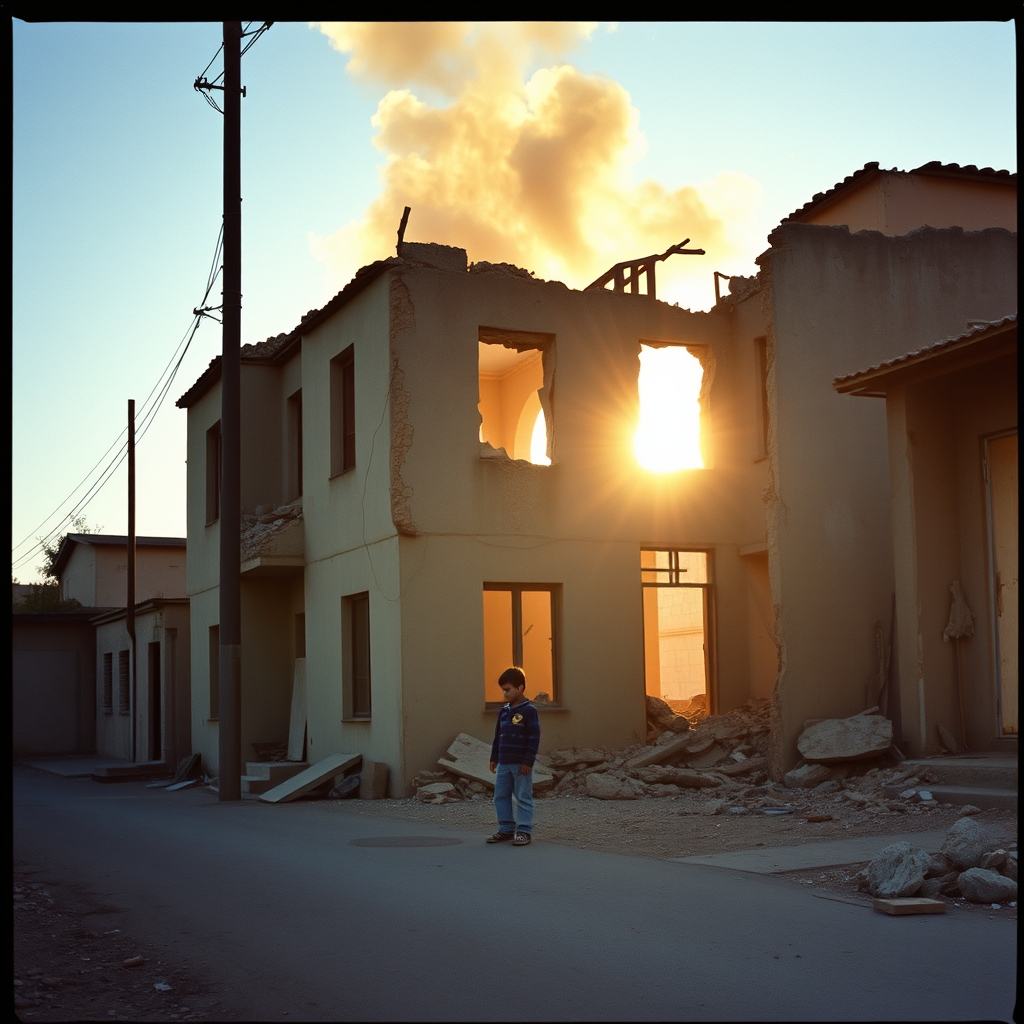
- One strike hit a three‑storey residential building near the Shuyuiya roundabout, destroying the structure and killing eight people.
- A second strike hit a vehicle carrying paramedics from the Risala Scout Association, killing a medic and wounding two others.
- The Lebanese health ministry reported 11 injured, among them four children and two women.
- An initial report from Lebanon’s National News Agency mentioned 11 dead, but the ministry later confirmed nine.
Why Kfar Remman is a flashpoint
Kfar Remman sits only a few hundred metres from the line Israel calls its "security zone" – the buffer it maintains after withdrawing from most of southern Lebanon in 2000. The proximity means any activity the Israeli army deems a threat – such as the drone launches it accuses Hezbollah of carrying out – can trigger rapid air response. The village’s location also puts it near routes used by local emergency services, which explains why a paramedic convoy became a target.
The broader cease‑fire framework
The trilateral agreement signed by Lebanon, Israel and the United States calls for three things:
- Hezbollah disarmament.
- A phased Israeli withdrawal from the occupied strip in the south.
- Deployment of the Lebanese army across the border area. Both sides accuse the other of breaching the pact. Israel’s foreign ministry says Hezbollah’s "repeated drone attacks" and attempts to rebuild its capabilities break the cease‑fire, while the Lebanese health ministry describes the strikes as "grave violations of international law".
The hidden trade‑off: civilian safety versus military objectives
The headline numbers – nine dead, eleven injured – tell only part of the story. The trade‑off here is between Israel’s aim to deter what it sees as imminent drone threats and the inevitable collateral damage to civilians living within striking distance of the security zone. In practice this usually means:
- Reduced operational freedom for Hezbollah – destroying a building that may house launch sites or storage can limit the group’s ability to fire drones.
- Increased humanitarian risk – residential blocks and ambulance vehicles are not military assets, yet they become legitimate targets under Israel’s interpretation of "defensive" action.
- Erosion of the cease‑fire’s credibility – each civilian casualty fuels Lebanese public anger, pressuring President Joseph Aoun and the Lebanese army to respond, which can draw the conflict back into open fighting. The net effect is a cycle where each side’s security calculus raises the probability that non‑combatants will bear the brunt of the violence. No new weapon or tactic changes this fundamental tension; it merely shifts where and how the damage is inflicted.
What to watch next
| Actor | Reported dead | Reported injured | Comment |
|---|---|---|---|
| Lebanese health ministry | 9 | 11 | Includes civilians, children, paramedic (Hezbollah‑linked) |
| Israeli military (no official count) | – | – | Says it is investigating reports; no casualty figures released |
| Hezbollah (claims) | – | – | Accuses Israel of violating cease‑fire; no independent verification |
Key indicators that the situation may spiral further include:
- Additional drone or rocket attacks reported by either side, especially if they cross the security‑zone line.
- Statements from the United States about re‑engaging diplomatic pressure on Israel or Lebanon.
- Movement of Lebanese army units into the border area, which would test the cease‑fire’s withdrawal clause.
- International humanitarian reports documenting civilian casualties, which could trigger UN investigations.
Practical steps for readers
- If you are planning travel to southern Lebanon, postpone trips until the security situation stabilises; the area around Kfar Remman is under active air‑strike risk.
- NGOs and aid groups should verify the safety of routes used by paramedic volunteers before dispatching teams, as ambulances have become targets.
- Policy‑focused readers can monitor statements from the US State Department and the UN Security Council for any shift in diplomatic pressure that might alter Israel’s rules of engagement.
- For those following the conflict on social media, look for corroborated casualty figures from the Lebanese health ministry rather than unverified partisan claims.