Inside Taiz: How Drone Warfare and Displacement Are Redrawing Yemen’s Front Lines
According to BBC News, a correspondent traveled with Yemeni government forces from Aden to the outskirts of Taiz and witnessed a fluid front line, the first use of a drone in the area, and thousands of civilians forced from their homes.
The fighting around Taiz has intensified since the Houthis captured the Red Sea port of Mokha on 10 September, threatening the Bab al‑Mandab Strait – the narrow sea lane that ships use to move between Europe and Asia. The city, home to almost a million people, now sits at the crossroads of government‑held centre and Houthi‑controlled north and east.
The Front Line in Taiz – a patchwork of checkpoints
The road into the city is marked by roughly thirty checkpoints, each run by a different commander. This fragmented command structure reflects the broader split within the internationally recognised government forces, which rely on a patchwork of tribal militias, former army units and foreign‑backed advisers.
At the nearest checkpoint to the front, soldiers described seeing the bodies of 18 comrades lying in an area they could fire over but not reach. "We shoot over them, but we can't pull them out," one fighter said. The line itself is not a clear trench but a series of high‑ground positions on the mountains surrounding Taiz. Control of the western approaches – the high ground overlooking the road south of the city – is now the main contest, because whoever holds it can dominate supply routes to Mokha.
| Area | Controlling force | Strategic importance |
|---|---|---|
| City centre | Yemeni government | Holds population, hospitals, market activity |
| North & east of city | Houthis | Provides artillery depth, links to Sanaa |
| Western high ground | Contested (government vs Houthis) | Controls road to Mokha and Bab al‑Mandab Strait |
| Mokha port | Houthis (since 10 Sept) | Controls a key Red Sea chokepoint |
Drones and mortars: new tools in an old conflict
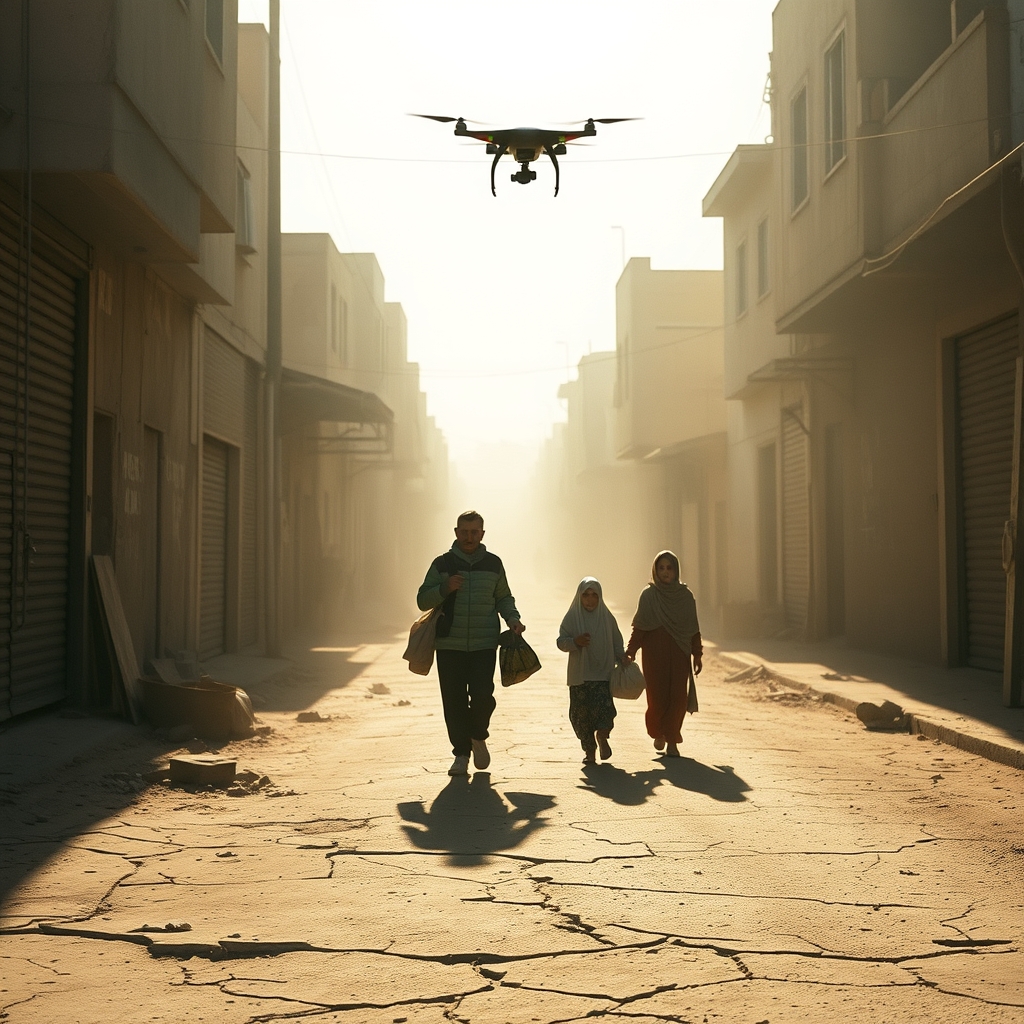
The correspondent heard a buzzing overhead and saw a small unmanned aerial vehicle (drone) pass before a series of mortar strikes rained down. Drones have become a low‑cost way for the Houthis to reconnoitre and deliver munitions without exposing pilots to Saudi‑led coalition air strikes. They are typically cheap, commercially sourced quadcopters that can be fitted with improvised explosives.
In practice this usually means the front line becomes more unpredictable. A drone can locate a government checkpoint, relay coordinates, and then guide a mortar team to fire from a hidden position. The opposite side, the Saudi‑backed coalition, relies on high‑altitude air strikes that require clear intelligence and run the risk of missing small, mobile targets. The trade‑off is clear: the Houthis gain surprise and lower cost, while the coalition spends far more on sophisticated aircraft and fuel.
The use of mortars – short‑range, high‑angle artillery – continues to cause civilian casualties. A twelve‑year‑old girl, Ghana Nabeel, was hit while herding goats. Mortar shells are cheap, can be fired from behind cover, and their blast radius often exceeds the size of a typical village house, making them especially lethal in densely populated mountain valleys.
The human cost: displacement and daily survival
Beyond the fighting, the article follows families forced to abandon their homes. One farmer, Ali, stays near his goats despite mortar fire because his livestock feed his family. His children have been sent to a displacement camp, a pattern repeated across the region.
The United Nations reported that more than 130,000 people have been displaced in September alone, on top of the 5.2 million already uprooted by the war. Camps such as al‑Monig host families who arrived with nothing but the clothes on their backs. Stories of crawling for two days under fire, of a disabled woman rescued by a motorbike driver, illustrate how the front line erodes basic security.
Humanitarian aid is hampered by the same checkpoints that fragment military command. Trucks must stop at each post, often paying unofficial fees or waiting for clearance, which delays food, medicine and shelter supplies.
What actually changes: the trade‑off of drone warfare and coalition air power
The introduction of drones shifts the tactical balance but deepens civilian risk. For the Houthis, drones provide a way to strike without exposing pilots, but they also draw more coalition air strikes to the same area, increasing the likelihood that nearby villages will be hit by retaliatory bombs.
In practice this usually means a cycle: a drone flies, a mortar team fires, the coalition launches an air strike on the presumed launch site, and the strike lands in a civilian‑populated valley. The civilian casualty rate therefore rises even as each side claims to be targeting only combatants.
Who gains? The Houthis gain a low‑cost means of extending their reach, especially around strategic points like Mokha. The coalition retains superior firepower but must expend far more resources to achieve the same effect. Civilians lose the most – they face both the immediate danger of mortars and the secondary danger of air strikes that may be inaccurate.
What to watch next: signs of escalation and humanitarian response
Several indicators will show whether the fighting around Taiz will expand or stabilize:
- Houthi drone frequency – If drone sightings increase, it suggests the group is scaling up its aerial capability, likely with more foreign components.
- Coalition strike patterns – A rise in high‑altitude air strikes on the western high ground would indicate an effort to blunt Houthi advances toward Mokha.
- Checkpoint activity – More checkpoints or changes in command could reflect a re‑organisation of government forces, potentially improving coordination or deepening fragmentation.
- Displacement numbers – UN updates on new camp arrivals will signal whether civilians are fleeing the front line faster than aid can reach them.
Stakeholders should monitor satellite imagery of the western high ground for new fortifications, and watch UN humanitarian briefings for shifts in funding needs.
Practical steps for today
If you are donating: Prioritise organisations that supply mobile medical units and food kits to displacement camps near Taiz, as roadblocks often delay larger shipments.
If you are a policy watcher: Track export controls on commercial drone components to Iran and its proxies, as limiting that supply chain could reduce the frequency of low‑cost attacks.
If you live in the region: Stay informed about the location of the nearest checkpoint and have a basic emergency plan – a bag with water, a few days’ food and important documents – ready in case you need to move quickly.