Why Britain’s Food Supply Needs a Household Safety Net Ahead of a Record El Niño
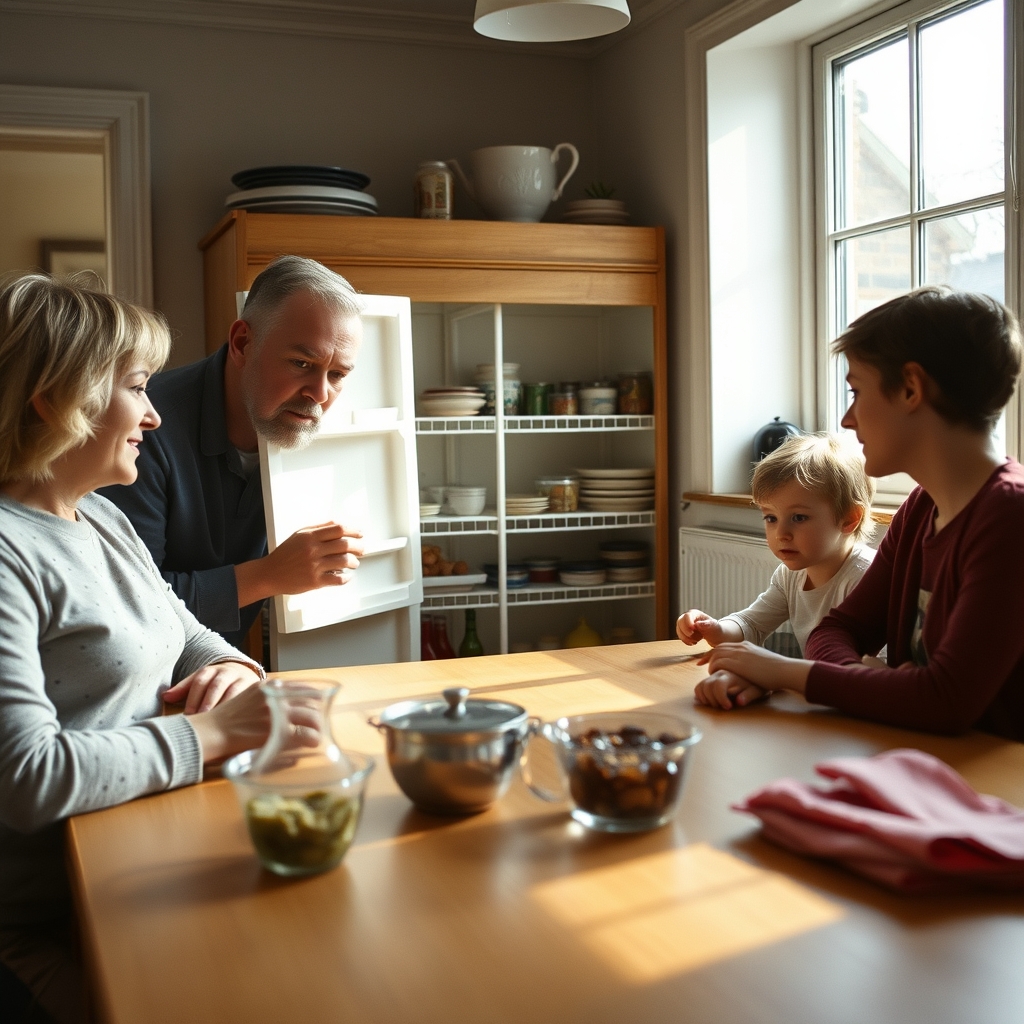
Household pantries are becoming part of Britain’s defence against extreme weather. The government says the strongest El Niño in a generation will bring drier summers, wetter winters and more violent storms, and a National Audit Office (NAO) report flags a food chain that is fragile to climate shocks, cyber‑attacks and disease. Preparing now could mean the difference between a short inconvenience and a prolonged shortage.
Why the warning matters
El Niño is a natural climate pattern where unusually warm water spreads across the central and eastern Pacific Ocean. The heat alters global wind and rain patterns; historically it has produced hotter, drier conditions in the UK’s summer and heavier, more erratic rain in winter. When the phenomenon reaches the intensity described by the Met Office as "the strongest in living memory", the knock‑on effects include flood‑risk on rivers, disruption to transport routes and pressure on crops that rely on stable weather.
The Environment Secretary, Dame Angela Eagle, told the Guardian that the coming El Niño will bring "more extreme storms in this country" and that a modest food reserve could keep households afloat until emergency services arrive. The logic is simple: if trucks cannot reach supermarkets because of flooded roads or cyber‑blocked logistics systems, a home stockpile becomes a short‑term buffer.
What the NAO report says about the food chain
According to BBC News, the NAO warned that Britain’s food supply chain is vulnerable on three fronts:
- Physical disruption – extreme weather can damage crops, block transport and shut down distribution hubs.
- Cyber‑security – ransomware attacks on logistics firms could halt ordering, routing and temperature‑controlled storage.
- Biological threats – plant or animal disease outbreaks can wipe out key commodities.
The report criticised the Department for Food, the Environment and Rural Affairs (Defra) for leaning too heavily on private firms to manage these risks. It said the department had "not done enough in recent years to improve supply‑chain resilience" and that the growing complexity of threats meant a more coordinated public response was overdue.
How the UK compares internationally
The NAO noted that UK households are less prepared for emergencies than those in Finland, Sweden and many EU nations. While the report did not provide exact percentages, it highlighted that those countries have long‑standing public‑information campaigns and legal requirements for emergency food and water stores. In contrast, Britain relies mainly on voluntary action and ad‑hoc guidance from the government.
Stockpiling: convenience versus waste and inequality
Encouraging every household to keep a three‑day food reserve sounds sensible, but the trade‑off is not purely about safety. First, a blanket recommendation can lead to over‑stocking of perishable items, which then spoil and add to household waste. Second, the cost of buying extra food up front hits low‑income families hardest; they may end up stretching tight budgets for items they cannot afford to replace later. Third, if many people stock the same popular products, supermarkets may see temporary shortages, pushing prices up for those who cannot afford to stock ahead.
The real gain from a measured stockpile is resilience against short‑term disruptions, not a guarantee of long‑term food security. What we would watch are the government’s guidelines on what to store – non‑perishable staples, canned goods and a modest amount of water – and whether they include advice on rotating supplies to avoid waste. We would also look for targeted support, such as vouchers or community food banks, for vulnerable households that cannot afford to buy extra.
Practical steps you can take today
- Make a list of three days of non‑perishable foods you already eat – rice, pasta, beans, canned fish and a few basic sauces.
- Buy in small batches every few weeks and rotate older items to the front of the pantry.
- Set aside one litre of water per person per day; tap water in the UK is safe to drink, so you can refill containers regularly.
- Keep a simple emergency kit – a manual can opener, a flashlight and a battery‑powered radio – alongside your food.
- Check local advice when the government releases its autumn guidance; follow any specific recommendations for the most vulnerable families.
By treating the pantry as a short‑term safety net rather than a long‑term stockpile, you reduce waste, protect your budget and still gain the resilience the NAO says the nation needs.